
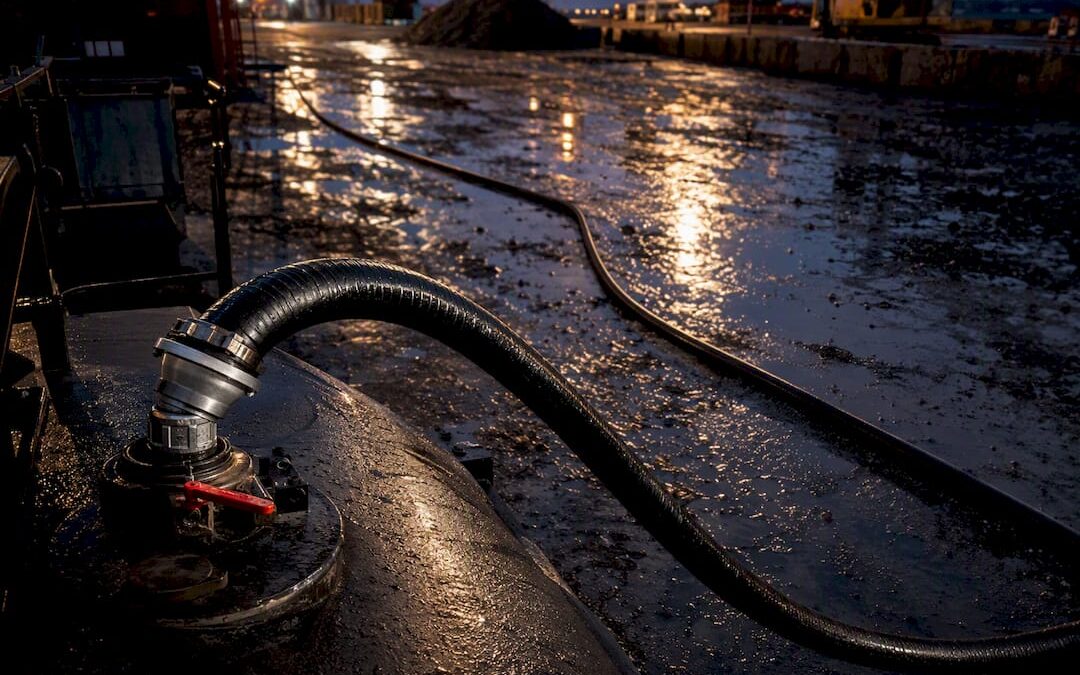
Wet hosing means fueling vehicles and equipment directly from a tanker truck that comes to your site, rather than sending drivers to a station or drawing from a stored tank. Also called mobile fueling, direct fueling, or on-site fueling, it puts diesel or gasoline into each asset where it sits. For fleet managers, the payoff is straightforward: fewer trips off-site, less idle equipment, and fueling scheduled around your operation instead of a gas station’s hours.
TL;DR:
- Wet hosing works best for moderate, predictable fuel volumes and when minimal downtime outweighs the need for on-site storage infrastructure.
- Relying on a single fuel provider increases risks of delays, especially given current driver shortages and strict safety and environmental regulations.
- Precise fuel tracking per asset and establishing clear SLAs for delivery times improve accuracy and reliability in wet hosing operations.
- Proper site preparation, credential verification, and bundling DEF delivery with fuel help streamline the process and reduce safety and compliance issues.
- A trusted managed fuel partner can provide flexible, scheduled deliveries with emergency support, minimizing the need for capital investment in storage tanks.
Table of Contents
- What Is Wet Hosing and How Does the Process Work?
- Key Benefits for Fleet Operations
- Risks and Practical Limitations to Weigh First
- Wet Hosing vs. On-Site Tanks vs. Fuel Cards
- Best Practices for Running a Wet Hosing Program
- Get Wet Hosing Set Up With a Reliable Fuel Partner
- Sources
- FAQ
What Is Wet Hosing and How Does the Process Work?
Wet hosing follows a predictable sequence, but the details matter if you’re deciding whether it fits your operation. A distributor schedules a delivery window, arrives with a metered tanker truck, and dispenses fuel asset by asset through a hose connected directly to each vehicle or piece of equipment. Western Global describes the process as refueling “directly from a fuel distribution truck that travels to the site,” which is the core mechanic behind every variation of the service.
The steps typically look like this:
- Scheduling. You confirm a recurring or one-time delivery window based on equipment usage and fuel levels.
- Site arrival. The tanker truck arrives within the agreed window and stages in a designated, accessible location.
- Dispensing. The driver moves from vehicle to vehicle, metering fuel into each tank and grounding the hose connection to prevent static discharge.
- Documentation. Each fill generates a delivery ticket showing gallons dispensed, fuel type, and the specific asset fueled.
- Invoicing. The provider consolidates the day’s deliveries into a single invoice rather than dozens of individual station receipts.
Because the driver is handling flammable liquid at multiple points on an active job site, providers typically require a CDL with tanker and Hazmat endorsements, along with spill kits and documented safety training. Western Global notes this makes wet hosing labor intensive for distributors, since each vehicle needs individual attention rather than a single bulk drop.
Key Benefits for Fleet Operations
The case for wet hosing comes down to what it removes from your day: trips, downtime, and paperwork. Taylor Oil Co. points out that bringing fuel to the fleet, instead of sending the fleet to fuel, cuts both labor hours and mileage that would otherwise go toward station runs.
- Labor and mileage savings. Drivers and operators stay on task instead of driving to and from a fueling station.
- Better uptime. Fueling happens on a schedule tied to your equipment’s actual usage, not a driver’s convenience.
- Lower theft and shrinkage risk. On-site dispensing with a delivery ticket per vehicle creates a harder record to falsify than a shared fuel card.
- Simplified invoicing. One consolidated bill replaces a stack of station receipts, and per-vehicle records make cost allocation easier.
Pro Tip: Ask your provider whether they offer per-vehicle fuel tracking. Some wet-hosing ROI calculators can show you gallons dispensed per asset, which turns a vague sense of “we’re saving money” into a number you can put in a budget meeting.
A related downtime cost breakdown illustrates how quickly idle equipment erodes a project’s margin when fueling isn’t planned around the work.
Risks and Practical Limitations to Weigh First
Wet hosing isn’t risk-free, and pretending otherwise sets fleet managers up for a bad surprise. The biggest exposure is dependence on a single delivery relationship: if the truck doesn’t show, your equipment doesn’t run.
- Schedule reliability. A delayed delivery has an immediate effect on-site, unlike a stored tank that acts as a buffer.
- Driver availability. U.S. trucking faces a documented driver shortage, and any service built around CDL and Hazmat-certified drivers is exposed to that same labor market.
- Compliance exposure. Spills, grounding failures, and improper transport volumes carry environmental and DOT liability for whoever is dispensing the fuel.
- Poor fit for very high consumption. Sites burning fuel continuously at large volume often do better with on-site storage than repeated wet-hosing visits.
Pro Tip: Never rely on a single fuel provider with no backup plan. Practitioners who run mission-critical fleets consistently point to provider networks with backup capacity as the difference between a minor delay and a full stoppage.
Wet Hosing vs. On-Site Tanks vs. Fuel Cards
The right model depends on your consumption pattern, site access, and how much capital you want tied up in fuel infrastructure. Western Global’s guidance suggests wet hosing works best when volumes are moderate and predictable, or when minimizing downtime matters more than owning tank infrastructure.
- Wet hosing: No capital investment, flexible scheduling, but dependent on provider reliability and driver availability.
- On-site storage tanks: Acts as a buffer against delivery delays, but requires permitting, insurance, and upfront capital.
- Fuel cards and station fueling: Lowest infrastructure cost, but sends labor hours off-site and creates weaker per-asset tracking.
Weigh the decision against four criteria: your daily volume profile, how accessible your site is for a tanker, how much downtime you can tolerate, and what environmental compliance obligations apply to your industry.
Best Practices for Running a Wet Hosing Program
Getting wet hosing right is less about picking a vendor and more about building a system around them. Start with route and schedule planning: group deliveries by asset usage patterns so the truck arrives when tanks are lowest, not on a fixed calendar that ignores actual burn rate.
- Standardize per-asset metering. Require a delivery ticket for every vehicle fueled, not a lump-sum total for the site.
- Prep the site. Mark a safe staging area, keep spill containment materials on hand, and confirm grounding points before the truck arrives.
- Vet driver credentials. Confirm CDL, tanker, and Hazmat endorsements before signing a contract, not after an incident.
- Ask about DEF and technology support. Providers who bundle diesel exhaust fluid delivery with fuel drops save you a second vendor relationship. Software vendors also offer metering and recordkeeping tools that cut down on manual invoice disputes.
- Request specific SLAs. On-time delivery percentage, emergency response window, and proof-of-delivery documentation should all be written into the contract, not assumed.
Pro Tip: Treat your provider’s emergency response time as a hard number, not a marketing line. A 24/7 response commitment only means something if it’s tied to a written window measured in hours, not “as soon as possible.”
For emergency logistics support beyond fuel, a partner network like Conexcool covers refrigeration and reefer equipment repair, which matters if your fleet runs temperature-controlled loads alongside diesel-powered equipment.
Get Wet Hosing Set Up With a Reliable Fuel Partner
A managed on-site fuel partner takes the guesswork out of building a wet hosing program from scratch. A managed on-site fuel partner runs CDL and Hazmat-certified drivers, delivers both dyed and clear diesel along with DEF, and backs deliveries with 24/7 emergency response for the moments a schedule slips.
Getting started doesn’t require a long-term commitment. A fuel partner can run a route audit against your current fuel spend, set up a pilot delivery to test reliability, and put concrete service-level terms in writing before you scale to a full fleet program. Transparent invoicing and per-asset records mean you’re not guessing where gallons went at the end of the month. If you’re weighing wet hosing against on-site tanks or fuel cards, start with the diesel fuel delivery page to see what a scheduled or on-demand setup looks like for your fleet size, or check the fuel delivery FAQ for answers on pricing, service areas, and minimum volumes before requesting a quote.
Sources
For deeper technical background, Western Global’s comparison of wet hosing and fuel storage tanks and Taylor Oil Co.’s wet hosing overview cover the process and cost trade-offs in more depth. Fleet managers evaluating driver-dependent services should also review reporting on the U.S. truck driver shortage, which shapes reliability across the industry.
- Wet Hosing Vs Fuel Storage Tanks – Western Global
- Revolutionize your fuel delivery with wet hosing software – BizSpeed
- New study shows U.S. is facing truck driver shortage – CBS News
FAQ
What Is Wet Hosing Fuel Delivery?
Wet hosing fuel delivery is the process of dispensing diesel or gasoline directly from a tanker truck into vehicles and equipment on-site, instead of transporting fuel to a storage tank first.
How Many Gallons of Diesel Can You Legally Transport?
Legal transport limits depend on vehicle classification and DOT hazardous materials regulations, and they vary by container type and licensing. A qualified commercial fuel provider with proper CDL and Hazmat endorsements handles these thresholds as part of routine compliance.
What Does “Fuel Siphoning” Mean?
Fuel siphoning refers to illicitly draining fuel from a tank, typically through a hose and suction, and it’s unrelated to wet hosing despite the similar-sounding name. Wet hosing is a legitimate, metered delivery service; siphoning is theft.
What Does “Wet Fuel” Mean?
“Wet fuel” isn’t a standard industry term and is sometimes confused with wet hosing, which refers to the direct, on-site dispensing method rather than a fuel condition or additive.
Is Wet Hosing More Reliable Than On-Site Storage Tanks?
Not inherently. On-site tanks act as a buffer during delivery delays, while wet hosing depends on provider scheduling and driver availability, which is why choosing a provider with backup capacity matters for mission-critical fleets.
Recent Comments