

Every company pays close attention to the costs written on paper: equipment rentals, payroll, materials, subcontractors, and fuel. But the cost that strains margins the most is the one almost no one tracks in real time: job-site downtime.
Downtime isn’t dramatic. It doesn’t arrive as a major failure or a catastrophic mistake. It shows up in minutes. A stalled excavator. A missed delivery window. An operator waiting on instructions. A generator running lower than expected. These small moments seem trivial on the surface, but they cut deeper into profitability than most businesses realize.
The problem isn’t that downtime exists, it’s that companies underestimate how often it happens, who it affects, and how quickly those “minor pauses” compound across an entire project.
The Real Price of Lost Minutes
Let’s look at a very average (and very common) scenario:
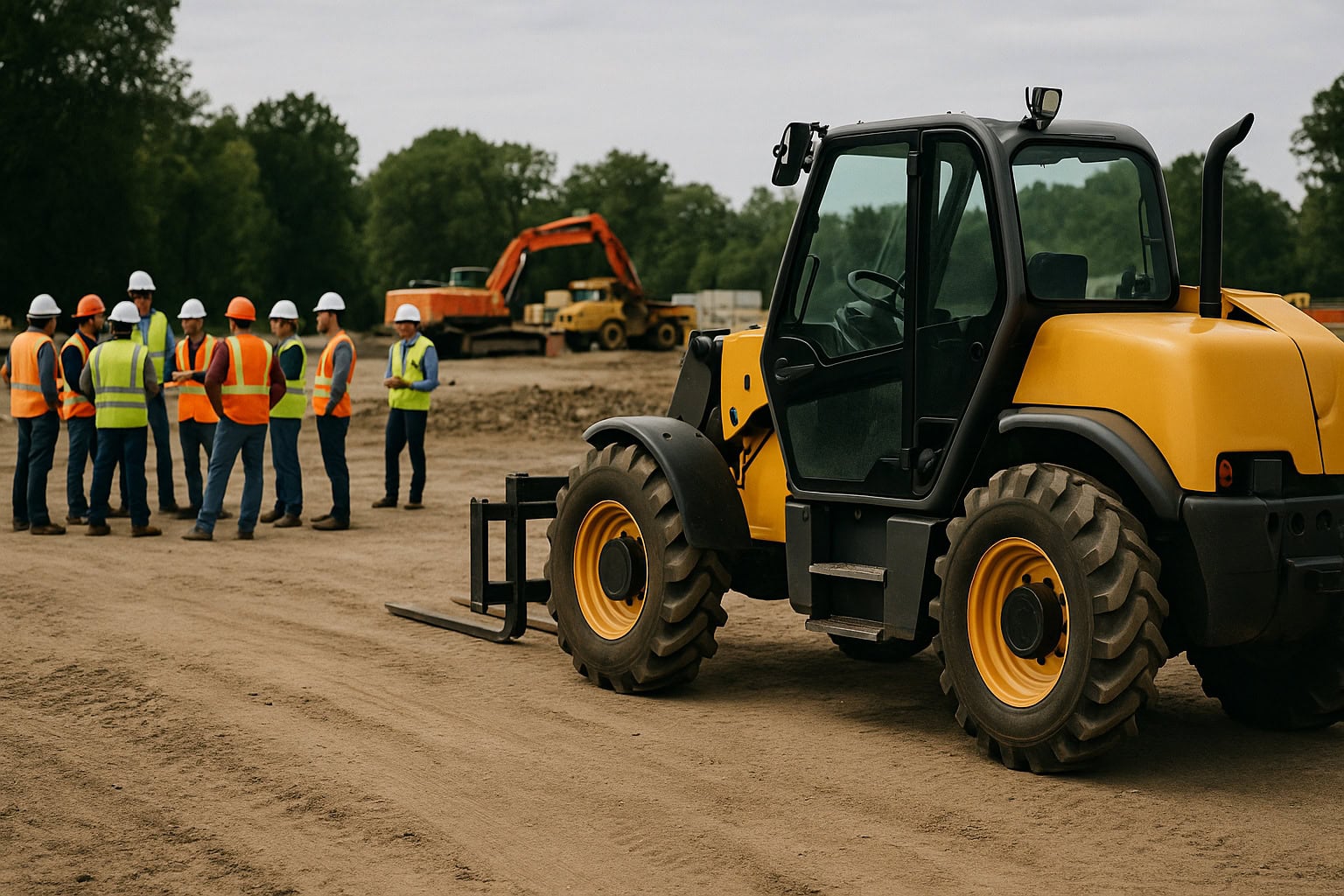
A 10–15 person crew is on the clock. Everyone is earning somewhere between $26 and $34 an hour. Mid-morning, the telehandler runs out of fuel. The operator radios in, shuts the machine down, and waits. The crew that depends on that machine shifts around trying to stay busy, but the planned workflow is already broken.
This is where the real cost starts stacking up.
Even if only 30 minutes are lost, the numbers climb faster than people expect:
-
12 workers × $28/hr × 0.5 hour = $168 in idle labor
-
Operator downtime = another $14–$17
-
Supervisor reshuffling and re-assigning tasks = $15–$20
-
Equipment rental time still ticking
-
Subcontractors losing their sequencing window
And this is just the measurable part. The real impact is the ripple effect:
-
The next task in the chain gets pushed.
-
A second crew ends up waiting later in the day.
-
Deliveries may miss their staging window.
-
The foreman burns time reorganizing instead of managing.
-
Momentum on site drops — which is a productivity killer by itself.
What looked like “just a 30-minute fuel delay” quietly becomes a full day of lost efficiency, especially when equipment timing and subcontractor schedules are tight.
Now stretch that out: twice a week, every week, over the course of a multi-month job. Suddenly you’re staring at thousands of dollars in lost labor, extended rentals, schedule creep, and preventable frustration.
Most Downtime Isn’t Caused by Big Problems
People tend to think downtime comes from major failures, but most productivity loss starts with ordinary, low-level disruptions. A tool isn’t where it should be, materials aren’t staged on time, or a plan changes but never reaches the full crew. None of these feel dramatic, but each one slows the pace of the job.
These small interruptions often come from things like:
-
Miscommunication between crews
-
Deliveries not lining up with the day’s workflow
-
Operators waiting on instructions or materials
Individually they seem harmless, but together they break momentum and create a stop-and-start rhythm that drags a project down far more than people realize.
Why Fuel-Related Delays Hit Harder Than Other Interruptions
Fuel issues are different because they affect everything connected to the machine that goes idle. When a telehandler, excavator, or generator runs out, it doesn’t just pause one task — it stalls the crews relying on it, the work sequenced behind it, and any inspections or follow-ups tied to that timing.
Fuel downtime tends to snowball because:
-
One stopped machine impacts multiple trades
-
Workflow sequencing collapses when equipment sits cold
-
These interruptions repeat on high-burn sites if fuel isn’t planned ahead
Even short fuel delays ripple through the entire site, creating a wider—and more expensive—slowdown than nearly any other type of interruption.
The Multiplier Effect No One Talks About
Downtime from a single issue usually spills into several other areas:
-
Crew productivity drops
-
Rental costs silently increase
-
Subcontractors have to reshuffle
-
Deliveries get pushed
-
Overtime increases to catch up
-
Morale takes a hit because teams lose flow
A fuel-related stoppage doesn’t cost the $80 of diesel you needed — it costs the multiplier of every person and process connected to that moment.
The Bottom Line
Downtime doesn’t announce itself. It slips into the day unnoticed — a few minutes here, a pause there — until suddenly an entire project is moving slower than anyone planned. It’s one of the most consistent threats to profitability because it hides inside the rhythm of the job, quietly draining labor, rental hours, and momentum.
Once companies start measuring those interruptions with intent, the picture changes fast. Patterns emerge. Fuel delays, sequencing gaps, miscommunication, and unplanned refuels reveal themselves as preventable points of failure. The moment you can see the leaks, you can close them. And the operations that take downtime seriously almost always find themselves delivering faster, cleaner, and with far better margins than the ones that don’t.
If you’re still sending your crew to gas stations or relying on inconsistent third-party fuelers, it’s time for an upgrade.
Anytime Fuel Pros delivers efficiency, cost savings, and reliable service—right to your job site.
📞 Call us today to schedule your first delivery or request a custom quote.
Recent Comments