
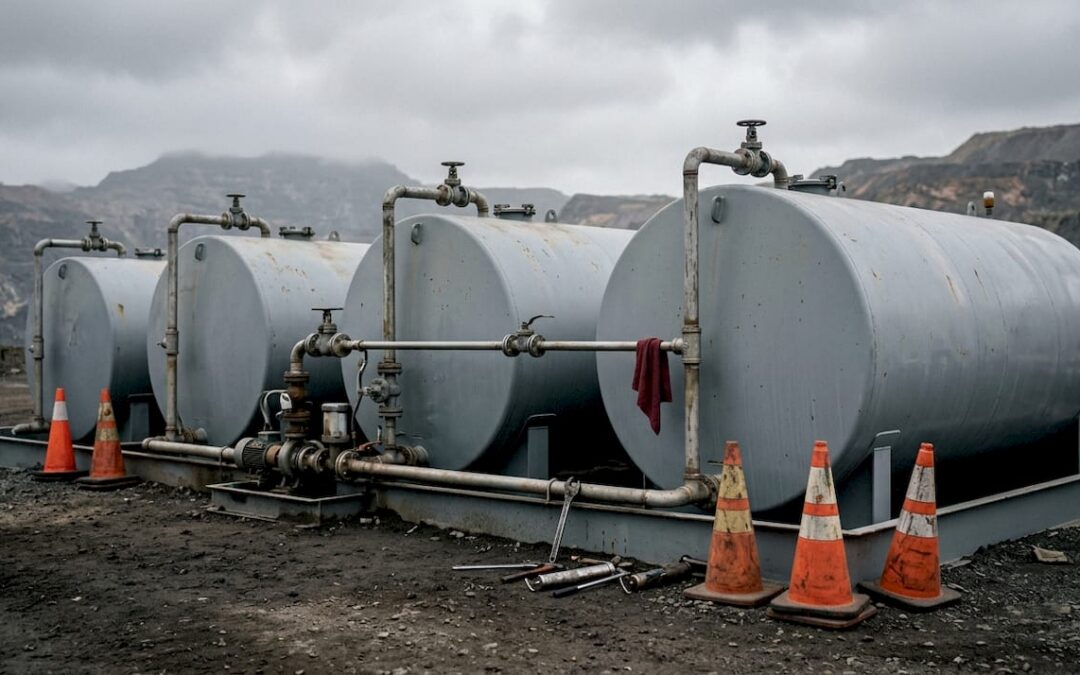
Mine site bulk diesel management is the systematic process of safely storing, monitoring, and distributing large volumes of diesel fuel to sustain mining operations efficiently and cost-effectively. Diesel powers 72% of global mining energy needs, making reliable bulk supply the backbone of every shift, every haul cycle, and every blast sequence. Without proper controls, fuel discrepancies of 3%–6% quietly drain margins through manual errors and unauthorized usage. The difference between a well-run fuel program and a reactive one shows up directly in equipment uptime, cost per tonne, and regulatory standing.
What are the essential components of mine site bulk diesel management?
Effective bulk diesel storage starts with choosing the right tank. Steel self-bunded tanks outperform plastic in open-pit mining environments because they resist impact from debris and mobile equipment. Features like corner lock castings allow repositioning as the mine footprint evolves, which plastic tanks simply cannot match. Ruggedized infrastructure is not optional when haul trucks and loaders operate within meters of your fuel point.
Compliance is non-negotiable. Fuel storage tanks must meet 110% bunding capacity for spill containment, along with explosion-proof vents and integrated flame arrestors. Standards such as SANS 10089-3 and DMRE regulations govern professional installation and ongoing maintenance. Experts caution that tank compliance covers the entire storage system, not just the vessel itself, which is especially critical for underground mining where safety regulations are most stringent.
Storage tank comparison
| Tank type | Capacity range | Key features | Best use case |
|---|---|---|---|
| Steel self-bunded | 1,000–110,000 L | Impact-resistant, repositionable, flame arrestors | Open-pit and surface mining |
| Skid-mounted steel | 500–10,000 L | Portable, pre-plumbed, compliant bunding | Remote satellite fuel points |
| Plastic bunded | 1,000–10,000 L | Lower cost, lighter weight | Low-traffic, low-risk storage only |
Key infrastructure requirements for any mine site fuel storage setup:
- 110% secondary bunding to contain full tank volume in a spill event
- Explosion-proof venting and integrated flame arrestors on all tanks
- Lockable fill points and dispensing nozzles to control access
- Clearly marked emergency shutoffs accessible to all site personnel
- Regular inspection schedules documented and filed for regulatory audits
Pro Tip: Have a licensed engineer review your entire storage system, not just the tank spec sheet, before commissioning. Regulators inspect pipework, bunding integrity, and earthing connections as part of the same compliance check.
How do automated fuel monitoring systems reduce losses?
Moving from manual dipsticks to real-time automated measurement is the single most effective way to prevent theft and inventory discrepancies. Automated systems eliminate human bias and remove the gap between fuel dispensed and fuel recorded. That gap is where most losses hide. A site running 50,000 liters per week at a 4% discrepancy rate loses 2,000 liters weekly to errors or theft before anyone notices.
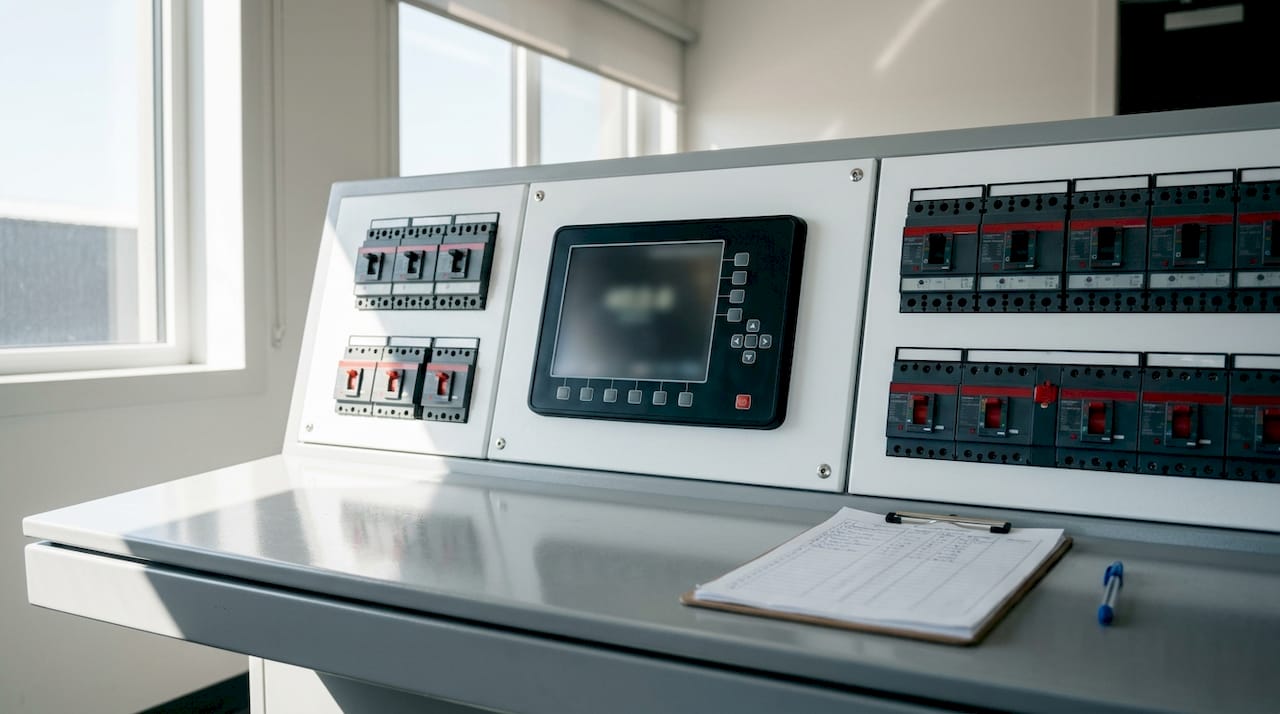
Smart tank monitoring systems address this directly. Systems like the Fuel 1 V5 provide continuous in-tank measurement, automated refill alerts, and leak detection without requiring a technician on-site. Installation takes as little as 10 minutes, and battery life runs 3–5 years with minimal maintenance. That combination makes them practical even at remote fuel points where a technician visit costs more than the device itself.
Typical smart monitoring system features and setup steps:
- Install the sensor unit directly into the tank’s existing gauge port
- Configure alert thresholds for low-level warnings and leak detection
- Connect to cellular or satellite network, with offline buffering for remote sites
- Integrate data feed with your fleet management or ERP system
- Set automated reporting intervals for daily inventory reconciliation
- Assign user access levels so managers receive alerts and drivers see only dispensing prompts
Remote mines need offline buffering built into their monitoring systems because cellular coverage drops at depth and in remote terrain. Systems that sync automatically when connectivity returns prevent data gaps that would otherwise require manual reconciliation. ROI on smart monitoring typically arrives within approximately 3 months when factored against recovered fuel losses and reduced labor for manual checks.
Pro Tip: Before selecting a monitoring system, confirm it supports offline data buffering and automatic sync. A system that loses data during a connectivity outage creates the same reconciliation problem you were trying to solve.

What operational best practices keep diesel fuel logistics running?
Diesel fuel logistics on a mine site fail at the procedural level more often than the infrastructure level. Driver PIN codes and digital transaction records reduce theft risk and create a traceable chain from delivery to dispense to equipment tank. Every fuel transaction should generate a timestamped record tied to an equipment ID and operator. That data becomes your audit trail when discrepancies appear.
Water contamination is a hidden equipment killer. Daily water-detection paste tests on dipsticks are industry best practice before any diesel delivery is accepted into storage. Water in diesel causes injector damage that costs far more to repair than the fuel itself. A contaminated delivery accepted without testing can take down multiple machines before the source is identified.
Scheduling bulk diesel deliveries around production cycles prevents the two worst outcomes: running dry mid-shift and receiving a delivery during peak traffic when the fuel point is inaccessible. For a guide on setting up on-site diesel delivery infrastructure that fits your site layout, the planning phase matters as much as the equipment selection.
Operational fuel management checklist:
- Conduct water-detection test before accepting every bulk delivery
- Record delivery volume, supplier, and timestamp in your digital fuel log
- Verify tank level against delivery docket to catch short deliveries immediately
- Assign PIN codes to each driver and equipment operator for dispense traceability
- Schedule deliveries during shift changeovers to minimize production disruption
- Reconcile daily dispensed volume against equipment fuel logs every morning
- Flag any discrepancy above 1% for immediate investigation
Heavy equipment fuel efficiency also depends on the condition of the engines consuming that diesel. Keeping truck engines in peak condition reduces consumption variance, which makes inventory forecasting more accurate and delivery scheduling more reliable.
How to implement a bulk diesel management system at a mine site
Implementation follows a clear sequence. Skipping steps, particularly the demand analysis and regulatory approval phases, creates expensive rework.
- Fuel demand analysis. Calculate daily consumption by equipment class. Include haul trucks, excavators, dozers, generators, and ancillary vehicles. Add a 15% buffer for production surges.
- Site layout planning. Position storage tanks to minimize haul distances for fuel trucks while maintaining safe separation from blast zones and ignition sources.
- Tank selection and procurement. Choose compliant steel self-bunded tanks sized to hold at least 7 days of consumption. Confirm bunding, venting, and flame arrestor specifications meet local regulations.
- Regulatory inspection and approval. Submit installation plans to the relevant authority before breaking ground. Inspections after installation are harder to pass than pre-approved designs.
- Monitoring system installation. Install smart tank sensors, configure alert thresholds, and test connectivity including offline buffering before the first delivery.
- Staff training. Train operators on PIN-based dispensing, water contamination testing, emergency shutoff procedures, and spill response protocols.
- Reporting and audit setup. Configure automated daily reports and schedule monthly fuel audits comparing dispensed volume against equipment consumption records.
Implementation phases and milestones
| Phase | Key milestone | Typical duration |
|---|---|---|
| Demand analysis and planning | Consumption model approved by operations lead | 1–2 weeks |
| Procurement and site prep | Tanks delivered and bunding constructed | 3–6 weeks |
| Installation and inspection | Regulatory sign-off received | 1–2 weeks |
| System commissioning | First delivery accepted and logged digitally | 1 week |
| Training and go-live | All operators PIN-registered and system live | 3–5 days |
The most common implementation failure is connectivity. Remote sites often discover their monitoring system has no signal after installation. Test cellular and satellite coverage at the exact tank location before purchasing equipment. If coverage is marginal, specify a system with extended offline buffering and automatic sync cycles. For a detailed look at why consistent bulk diesel supply matters across every phase of a mining operation, the logistics context is worth reviewing before you finalize your procurement strategy.
Key Takeaways
Effective mine site bulk diesel management requires compliant storage infrastructure, automated real-time monitoring, and disciplined operational procedures working together to eliminate fuel loss and prevent equipment downtime.
| Point | Details |
|---|---|
| Fuel loss starts without monitoring | Sites without automated systems lose 3%–6% of fuel volume to errors and theft. |
| Steel self-bunded tanks are the standard | They outperform plastic in durability, compliance, and repositionability for evolving mine footprints. |
| 110% bunding is mandatory | Missing this requirement leads to regulatory fines and potential site shutdowns. |
| Smart systems pay back fast | ROI on automated monitoring arrives within approximately 3 months through recovered fuel losses. |
| Water testing protects equipment | Daily contamination checks before delivery acceptance prevent injector damage that costs more than the fuel. |
Anytimefuelpros supports your mine site fuel operations
Mining operations cannot afford to wait on fuel. Anytimefuelpros delivers bulk diesel directly to mine sites across Texas, Utah, and nationwide through a trusted partner network, with 24/7 emergency response for unplanned demand. Whether you need scheduled recurring deliveries tied to your production cycle or rapid response when a delivery falls through, Anytimefuelpros brings fuel to where your equipment operates.
Anytimefuelpros supports mine site managers with transparent invoicing, competitive daily pricing, and delivery confirmation on every load. For sites managing DEF alongside diesel, both products are available through a single point of contact. Contact Anytimefuelpros or request diesel delivery services to keep your operation running without interruption.
FAQ
What is mine site bulk diesel management?
Mine site bulk diesel management is the process of safely storing, monitoring, and distributing large volumes of diesel to power mining equipment and operations. It covers storage infrastructure, fuel monitoring systems, delivery scheduling, and compliance with safety regulations.
How much fuel can a mine site lose without proper controls?
Mining operations without automated monitoring lose 3%–6% of fuel volume through manual errors and unauthorized usage. On a high-consumption site, that represents a significant cost before any investigation begins.
What bunding requirement applies to mine site fuel storage tanks?
Fuel storage tanks at mine sites must meet 110% bunding capacity to contain the full tank volume in a spill event. This is a regulatory requirement, not a recommendation, and non-compliance results in fines and potential shutdowns.
How quickly do smart fuel monitoring systems pay for themselves?
Smart tank monitoring systems typically deliver ROI within approximately 3 months when measured against recovered fuel losses and reduced labor for manual inventory checks.
Why is water contamination testing critical before diesel deliveries?
Water in diesel fuel causes injector damage that costs far more to repair than the fuel itself. Daily water-detection paste tests on dipsticks before accepting any delivery are industry best practice to protect heavy equipment from contamination-related failures.
Recent Comments