

Fuel delivery for sporting events is defined as the scheduled, on-site transportation of diesel, gasoline, and Diesel Exhaust Fluid (DEF) directly to an event venue to power generators, vehicles, and support equipment. This service, also called mobile fueling or temporary site fueling, is the operational backbone of any large-scale event that depends on temporary power infrastructure. Without a reliable fuel supply, generators fail, lighting towers go dark, HVAC units shut down, and food service stops. For event planners managing thousands of attendees and tight production schedules, fuel logistics are not a secondary concern. They are a mission-critical function that requires the same planning discipline as ticketing, security, or staffing.
What is fuel delivery for sporting events and what does it power?
Mobile fueling delivers diesel, gasoline, propane, and DEF directly to vehicles, generators, and equipment at event sites. Each fuel type serves a distinct operational role, and understanding that distinction helps event planners forecast demand accurately.
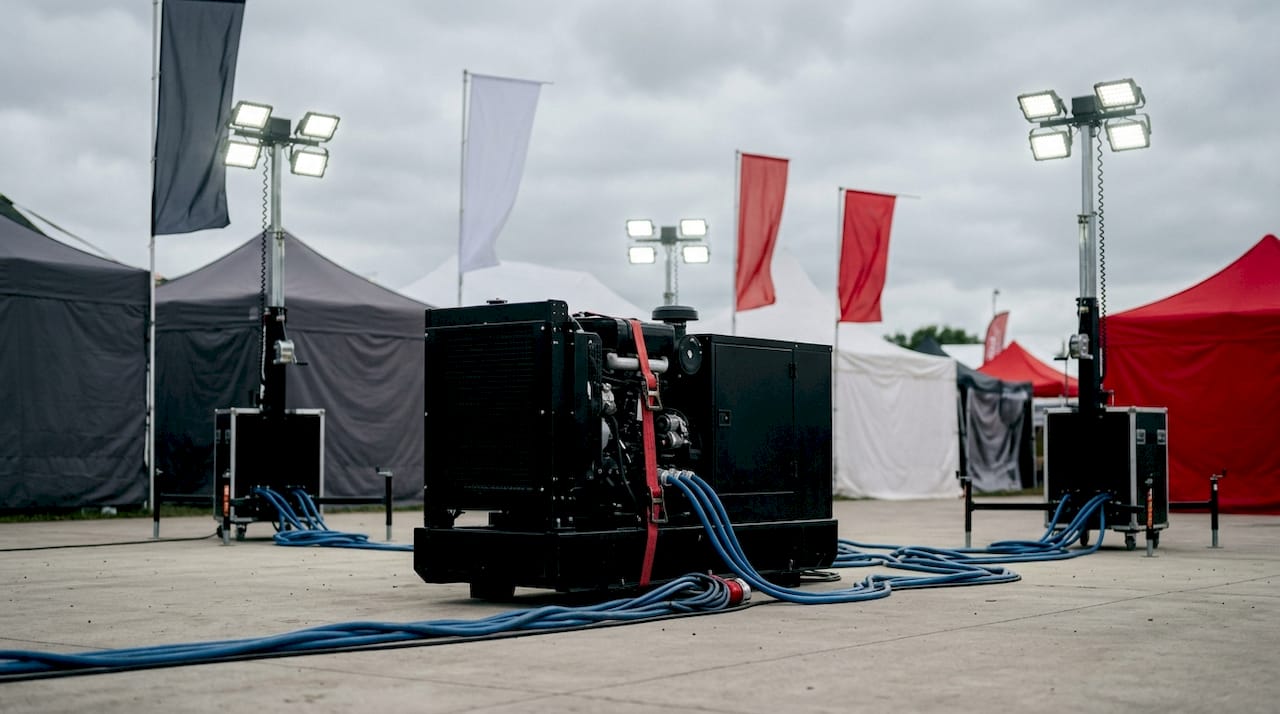
Diesel is the primary fuel for large sporting events. Diesel generators power lighting towers, HVAC systems, broadcast equipment, and food-service trailers. Diesel generators consume approximately 0.07 gallons per kilowatt per hour. At a major international soccer tournament, total diesel consumption can exceed 50,000 gallons across the event’s run. That volume requires coordinated, scheduled deliveries, not a single bulk drop.
Gasoline fuels smaller equipment, golf carts, utility vehicles, and staff transport. It is typically delivered in smaller quantities but still requires scheduled replenishment to avoid mid-event shortages.
DEF (Diesel Exhaust Fluid) is a non-negotiable part of modern diesel operations. Tier 4 diesel engines, which are standard on most rental generators and equipment produced after 2015, require DEF to meet EPA emissions standards. Running a Tier 4 engine without DEF triggers an automatic power reduction or shutdown. Event planners who overlook DEF compliance risk losing power at the worst possible moment.
The table below summarizes common fuel types, their primary applications, and key planning considerations at sporting events.
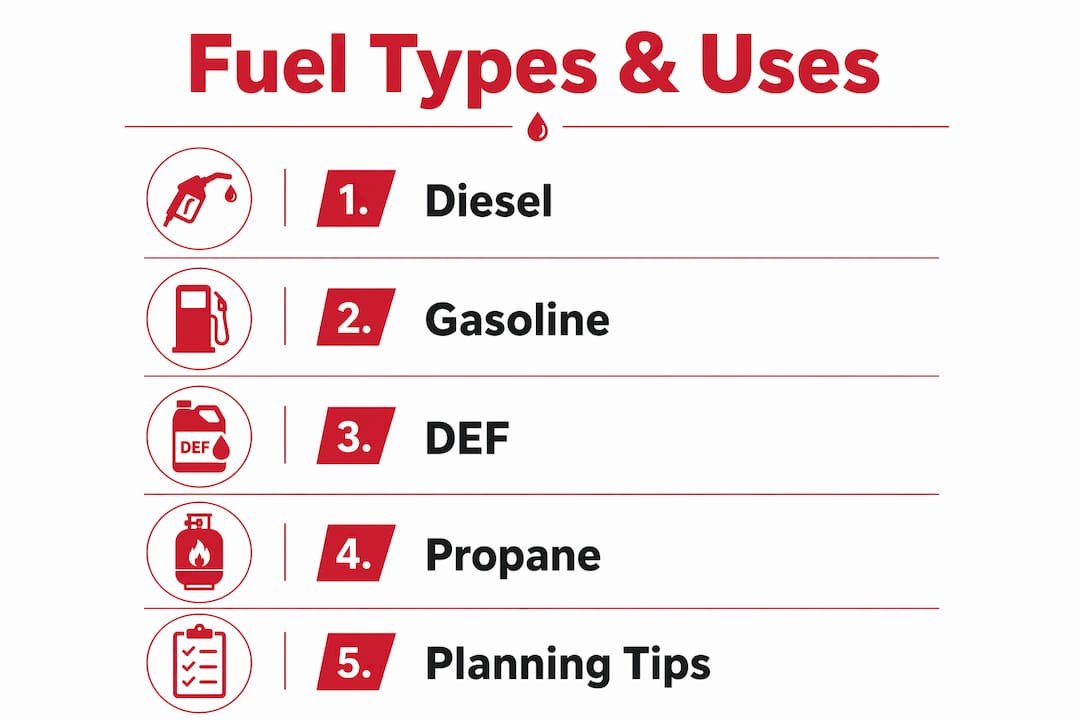
| Fuel Type | Primary Application | Key Planning Note |
|---|---|---|
| Diesel | Generators, HVAC, lighting towers | Highest volume demand; schedule multiple deliveries |
| Gasoline | Utility vehicles, small equipment | Smaller volumes; track usage by vehicle type |
| DEF | Tier 4 diesel engine compliance | Required for EPA compliance; never run dry |
| Propane | Catering, heating stations | Coordinate with catering vendors for demand data |
How does fuel delivery work for large sporting events?
Temporary site fueling for a sporting event follows a structured logistics model built around the event’s production schedule. The process is not simply “order fuel and wait for a truck.” It requires coordination across multiple event phases, from load-in through teardown.
A professional fuel delivery service operates through these core steps:
- Pre-event assessment. The fuel provider reviews the event’s generator inventory, equipment list, and expected run hours to calculate total fuel demand. This assessment drives the delivery schedule.
- Delivery scheduling. Deliveries are timed to match event phases. Load-in requires heavy fueling as generators come online. Peak event days demand the highest consumption rates. Teardown requires a final top-off to power equipment through breakdown.
- On-site fueling. Fuel trucks arrive at designated access points and refuel generators and equipment directly. This eliminates the need for event staff to transport fuel manually across a venue.
- Real-time inventory monitoring. Professional providers monitor fuel consumption and inventory levels continuously, scheduling automatic replenishment before tanks run low.
- Safety and compliance protocols. Certified fuel handlers follow spill prevention procedures, maintain Material Safety Data Sheets on-site, and comply with local fire codes and environmental regulations.
- Emergency response. A reliable provider maintains 24/7 availability for unplanned demand spikes or equipment failures that require immediate refueling.
Pro Tip: Request that your fuel provider walk the venue with your production team before the event. Identifying generator locations, access routes, and fueling windows in advance eliminates delivery conflicts during peak operational hours.
Mobile fueling platforms are also evolving to use AI-driven delivery optimization to time deliveries and calculate quantities based on real-time consumption data. This reduces waste, cuts cost, and improves reliability compared to fixed delivery schedules.
Key benefits of professional fuel delivery at sporting events
The operational and financial case for dedicated fuel delivery is direct. Scheduled fuel deliveries prevent event downtime caused by fuel shortages, keeping every critical system running without interruption. That reliability translates into real cost savings and reduced risk across the board.
The core benefits include:
- Uninterrupted operations. Generators, lighting, and HVAC stay online throughout the event. A single generator failure during a night game or indoor arena event creates safety hazards and reputational damage that far outweigh the cost of proper fueling.
- Cost control through volume pricing. Contracting with a fuel provider enables negotiated pricing for specific delivery periods and volume commitments. Fuel is typically a fleet’s second-largest operating expense at roughly 60% of operating budgets, so locking in favorable pricing has a direct impact on event margins.
- Reduced labor burden. When a fuel provider handles delivery and on-site fueling, event staff focus on their core responsibilities. Sending crew members to fuel stations wastes hours that cannot be recovered during a live event.
- Improved safety. Professional fuel delivery reduces the risks of manual refueling, including spills, improper handling, and environmental hazards. Certified handlers follow established safety protocols that most event staff are not trained to execute.
- Priority supply access. During high-demand periods such as regional tournaments or multi-day championships, retail fuel availability can tighten. A contracted fuel delivery partner prioritizes your event over walk-in customers.
- Compliance assurance. Providers manage DEF supply, emissions documentation, and local environmental reporting, reducing the compliance burden on your operations team.
The multiplier effect of a fuel shortage is significant. One failed generator can cascade into failed lighting, failed refrigeration, and failed broadcast feeds simultaneously.
Practical tips for event planners managing fuel delivery
Event planners often underestimate fuel logistics until a crisis occurs. The best practice is to integrate the fuel supplier into the event production schedule as a dedicated logistics partner, not an on-call vendor. That shift in approach changes everything about how fuel is planned and executed.
- Engage your fuel provider early. Contact your provider during the initial planning phase, not the week before the event. Early engagement allows accurate demand forecasting and secures delivery slots before the provider’s schedule fills.
- Build a detailed equipment inventory. List every generator, vehicle, and diesel-powered piece of equipment with its fuel tank capacity and estimated daily run hours. This data is the foundation of an accurate fuel forecast.
- Align deliveries with event phases. Load-in, event days, and teardown each have different fuel consumption profiles. A single delivery schedule that ignores these phases will either leave you short during peak demand or waste money on excess fuel.
- Plan for contingencies. Identify a backup fuel source or emergency delivery contact before the event starts. Weather delays, equipment failures, and unexpected attendance surges can all spike fuel demand beyond the original forecast.
- Verify local regulations. Some venues and municipalities have specific requirements for on-site fuel storage, spill containment, and generator placement. Confirm these requirements with your fuel provider and venue management before delivery day.
- Confirm DEF supply separately. DEF is often overlooked in fuel planning. Confirm that your provider includes DEF delivery as part of the service agreement, especially if your generator fleet uses Tier 4 engines.
Pro Tip: Ask your fuel provider for consumption reports from comparable events they have serviced. Real-world data from a similar event size and equipment profile is far more accurate than generic consumption estimates.
Treating bulk fuel logistics as a production department function, rather than a procurement afterthought, is the single most effective change event planners can make to their fuel management process.
Anytimefuelpros: on-site fuel delivery built for events
Anytimefuelpros delivers diesel, gasoline, and DEF directly to sporting event venues across Texas, Utah, and nationwide through its partner network. Event planners get a single point of contact for scheduling, emergency response, and compliance, without managing multiple regional vendors.
Whether you are fueling a multi-day stadium tournament in Dallas or a regional outdoor track meet in Salt Lake City, Anytimefuelpros builds a delivery schedule around your production timeline. The team provides 24/7 emergency response, transparent invoicing, and volume pricing that keeps fuel costs predictable. Explore the full range of event fuel services and see how Anytimefuelpros supports uninterrupted operations from load-in to teardown. You can also order fuel now to lock in your delivery schedule before your event date fills the calendar.
Key Takeaways
Fuel delivery for sporting events requires early planning, accurate demand forecasting, and a contracted provider who treats your event as a logistics priority, not a one-time transaction.
| Point | Details |
|---|---|
| Fuel types matter | Diesel, gasoline, DEF, and propane each serve distinct roles; plan for all of them. |
| Volume can exceed 50,000 gallons | Large events consume significant fuel; schedule multiple deliveries across event phases. |
| DEF is non-negotiable | Tier 4 engines shut down without DEF; confirm DEF delivery in every service agreement. |
| Early engagement reduces risk | Contracting a fuel provider during initial planning secures slots and improves forecasting. |
| Professional delivery improves safety | Certified handlers reduce spill risk and ensure compliance with local environmental regulations. |
FAQ
What is fuel delivery for sporting events?
Fuel delivery for sporting events is the scheduled, on-site transportation of diesel, gasoline, DEF, and propane directly to a venue to power generators, vehicles, and equipment. It replaces manual refueling and retail fuel runs with a managed logistics service.
How much fuel does a large sporting event use?
Fuel consumption depends on generator size and run hours. Diesel generators consume approximately 0.07 gallons per kilowatt per hour, and major international events can exceed 50,000 gallons total across the event’s duration.
Why is DEF included in event fuel delivery?
DEF is required for Tier 4 diesel engines to meet EPA emissions standards. Without it, engines automatically reduce power or shut down. Most rental generators produced after 2015 use Tier 4 engines, making DEF delivery a standard part of any professional event fueling plan.
When should event planners contact a fuel delivery provider?
Contact a fuel provider during the initial planning phase, not the week before the event. Early engagement allows accurate demand forecasting, secures delivery windows, and gives the provider time to assess venue access and equipment requirements.
How does a fuel delivery service prevent event downtime?
Providers monitor inventory in real time and schedule automatic replenishment before tanks run low. This continuous monitoring eliminates the fuel shortages that cause generator failures and operational shutdowns during live events.
Recent Comments