
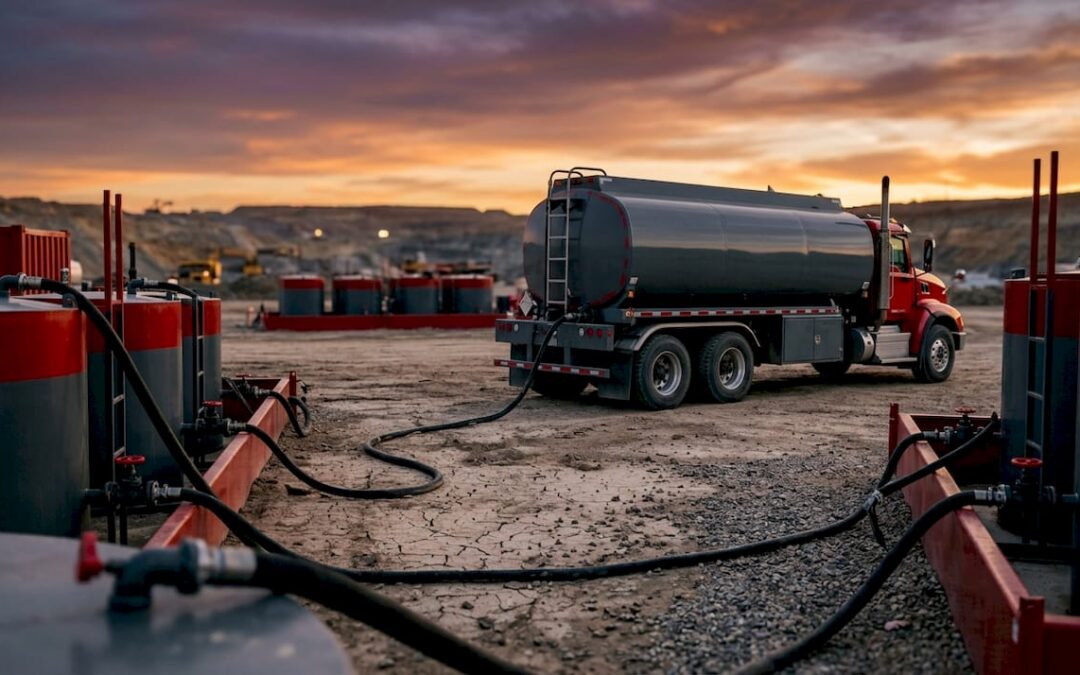
Bulk diesel delivery is the process of supplying large volumes of diesel fuel directly to a mining site, bypassing commercial fuel stations entirely. Diesel powers approximately 72% of total energy used in mining globally, making it the single most critical input for continuous operations. Without a reliable bulk supply chain, haul trucks sit idle, ventilation fans lose power, and dewatering pumps stop. The financial and safety consequences are immediate. This guide explains why mines need bulk diesel delivery, what makes remote fuel logistics so complex, and what best practices keep operations running without interruption.
Why mines need bulk diesel delivery to avoid costly downtime
A single day without diesel can cost a medium coal mine between R3 million and R8 million, and larger mines can exceed R15 million in lost production. That figure does not include secondary costs like emergency procurement premiums, labor idle time, or equipment restart procedures. The financial exposure from one fuel shortage can dwarf months of planned fuel spend.
The equipment that stops first is also the most expensive to restart. Consider what runs on diesel at a typical mine:
- Haul trucks (100-ton to 400-ton capacity) consume thousands of liters per shift and cannot be refueled from a retail pump.
- Ventilation fans in underground mines require continuous power. A shutdown creates immediate safety and regulatory violations.
- Dewatering pumps protect underground workings from flooding. Stopping them for even a few hours can cause irreversible damage.
- Drill rigs and loaders feed the entire production sequence. When they stop, every downstream process stops too.
The multiplier effect is real. One piece of idle equipment does not just lose its own output. It stalls the workflow for every crew and machine waiting on it. The cost of one unplanned outage can exceed the full capital expenditure of the diesel generator set itself.
Pro Tip: Schedule bulk deliveries to maintain a minimum 72-hour fuel reserve on site at all times. This buffer absorbs delivery delays caused by weather, road closures, or supplier disruptions without touching production.
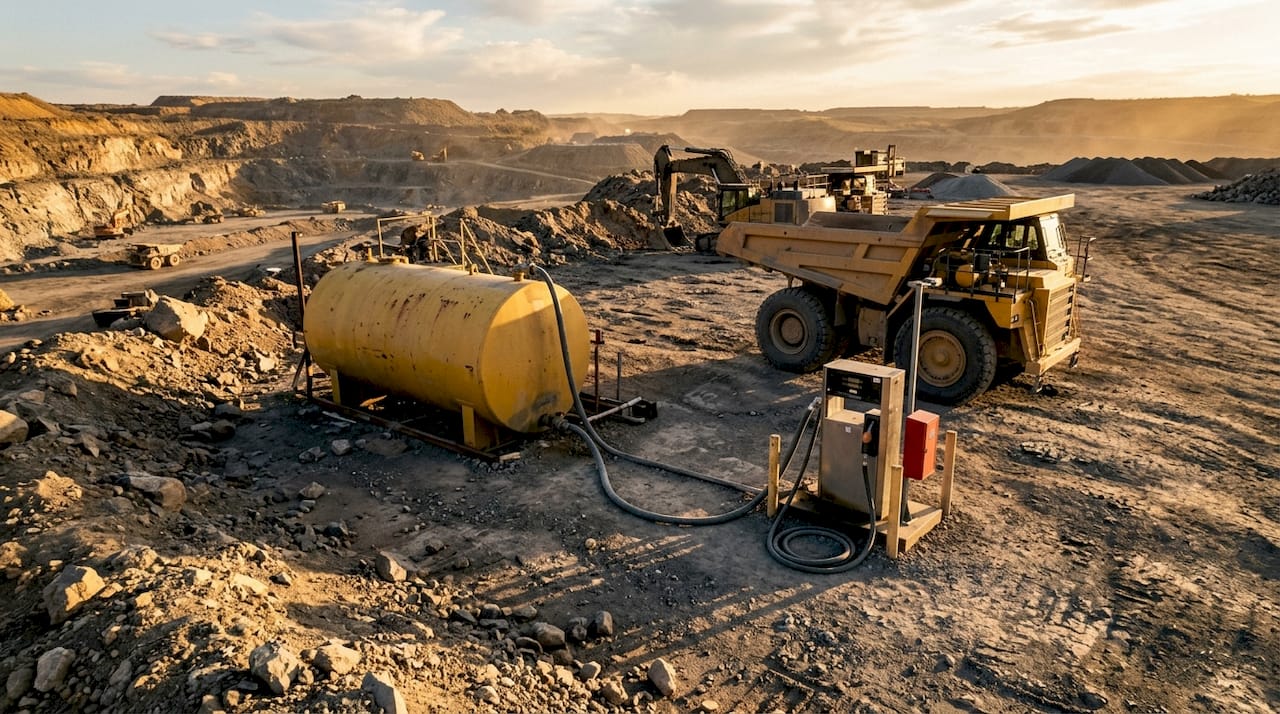
Emergency refueling from commercial sources compounds the problem. Retail diesel suppliers are not equipped for the volumes mines require, and emergency orders carry significant price premiums. Bulk fuel delivery for mines eliminates this reactive cycle by putting fuel on site before it is needed.
What logistical challenges make bulk diesel delivery necessary?
Mining sites are rarely located near fuel infrastructure. Many operations sit 200–500 km from the nearest fuel depot, making commercial refueling logistically impractical and prohibitively expensive. The all-in cost of diesel at remote sites can reach $0.80 to $1.00 per kWh once transport, storage losses, and generator inefficiencies are factored in. That cost profile makes every inefficiency in the diesel supply chain a direct hit to the bottom line.
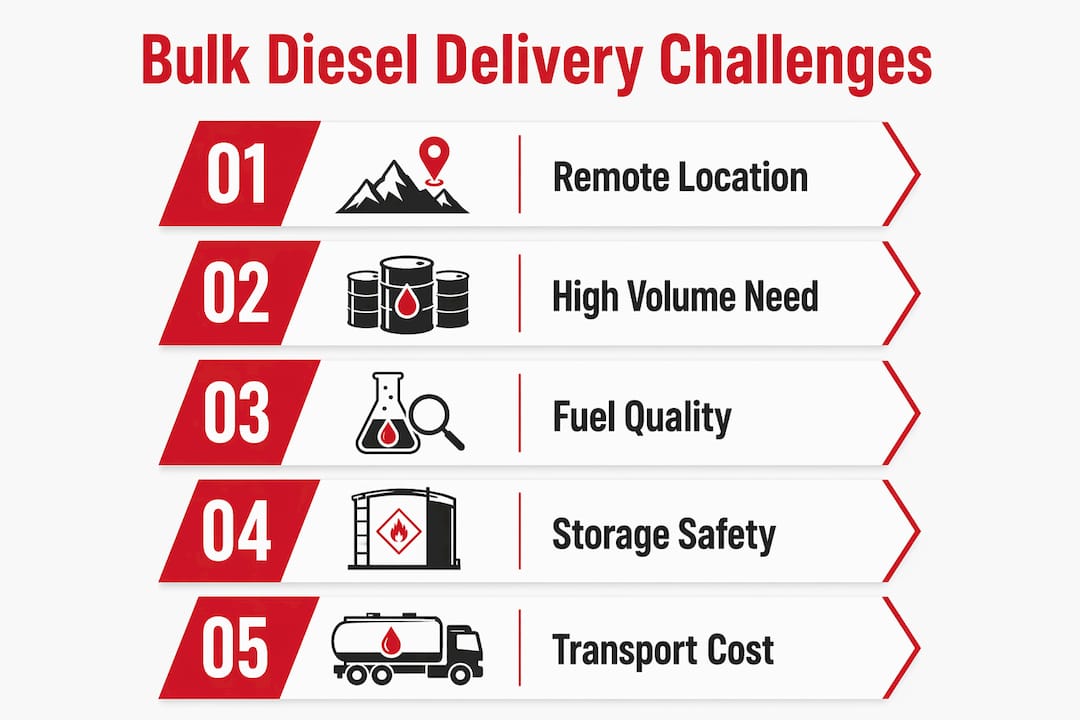
Volume requirements make the challenge even sharper. A mid-sized mining operation can consume 500,000 to 2 million or more liters of diesel per month. The Australian mining industry consumed nearly 8 billion liters of diesel in 2023–24, roughly a quarter of the nation’s total diesel use. That volume is 3.5 times higher than the entire Australian agricultural sector. No commercial fuel network can service that demand on an ad hoc basis.
The table below summarizes the core logistical constraints that drive the need for dedicated bulk supply:
| Challenge | Impact on Operations |
|---|---|
| Remote site location (200–500 km from depots) | High transport cost per liter; delayed emergency resupply |
| Monthly consumption of 500,000+ liters | Commercial suppliers cannot meet volume or frequency needs |
| Fuel quality degradation in transit | Contaminated fuel damages injectors, pumps, and fuel systems |
| Underground storage requirements | Explosion-proof tanks and ventilation compliance add complexity |
| Road and weather disruptions | Supply interruptions with no local backup source |
Fuel quality is a separate but equally serious concern. Contaminated fuel causes catastrophic damage to mining equipment, with repair costs running into the millions per unit. Water ingress, microbial growth, and particulate contamination are common in bulk storage tanks that are not properly maintained. A trusted bulk delivery partner brings filtration standards and quality documentation that commercial fuel sources simply do not provide.
Underground storage adds another layer of complexity. Diesel stored below ground must meet explosion-proof containment standards and integrate with site ventilation systems. This requires purpose-built infrastructure and delivery protocols that only specialized bulk fuel logistics providers can support.
How do advanced fuel logistics practices improve bulk diesel supply?
Fuel logistics modeling is the foundation of a reliable diesel supply chain in mining. It accounts for variables that generic fuel planning ignores, including altitude derating, temperature effects, and generator load profiles. Altitude and temperature derating can reduce diesel generator output by 20–30%, meaning a site that plans fuel use based on nameplate capacity will consistently underestimate actual consumption. That gap shows up as an unexpected shortage.
Effective fuel logistics for mines follows a structured approach:
- Baseline consumption mapping. Calculate actual diesel use per machine type, per shift, and per production zone. Do not rely on manufacturer specs alone. Real-world consumption at altitude and temperature is always higher.
- Demand forecasting by production schedule. Fuel needs spike during peak extraction periods and drop during maintenance shutdowns. Align delivery schedules to production calendars, not fixed intervals.
- Inventory buffer management. Set minimum stock thresholds that account for your longest realistic resupply lead time plus a safety margin. For remote sites, that minimum is rarely less than 72 hours of full-site consumption.
- Digital supply chain visibility. Use tank monitoring systems and delivery tracking to get real-time inventory data. Guessing at fuel levels is a liability. Knowing them is a management tool.
- Supplier compliance verification. Require documentation of fuel quality, filtration standards, and delivery chain custody from every bulk fuel provider. This protects expensive equipment and satisfies regulatory audits.
Pro Tip: Integrate your fuel consumption data with your equipment maintenance schedule. High fuel consumption on a specific machine often signals an engine efficiency problem before it becomes a breakdown. Catching it early saves both fuel and repair costs.
Smaller and mid-sized mining operators face the highest risk during supply disruptions because they lack the large on-site inventories and commercial leverage of major mining companies. This makes partnering with a reliable bulk delivery service especially critical for operations that cannot absorb a multi-day fuel gap. An on-site diesel delivery setup built around scheduled bulk deliveries gives smaller operators the same supply security that large mines achieve through sheer volume.
What best practices support effective bulk diesel management on mines?
Reliable bulk diesel delivery is only half the equation. How a mine manages fuel once it arrives determines whether the supply chain investment pays off. The following practices protect both the fuel and the equipment it powers.
Scheduled delivery cadence. Base your delivery frequency on actual consumption data, not calendar intervals. A mine running at 80% capacity needs different delivery timing than one running at full production. Work with your bulk fuel provider to build a flexible schedule that adjusts to production changes.
Fuel quality protocols. Every bulk delivery should include a certificate of analysis confirming fuel grade, water content, and particulate levels. On-site, conduct visual checks and use water-detecting paste on storage tank dipsticks before each delivery is accepted. Reject any load that does not meet spec. The cost of a rejected delivery is a fraction of the cost of a damaged fuel injector.
Regulatory compliance. Mining fuel storage and handling falls under specific safety and environmental regulations that vary by jurisdiction. In the United States, the Environmental Protection Agency (EPA) and Occupational Safety and Health Administration (OSHA) set standards for above-ground and underground fuel storage. Compliance is not optional. Non-compliant storage creates liability exposure that extends well beyond the cost of the fuel itself.
Emergency reserve planning. Maintain a dedicated emergency fuel reserve separate from your operational inventory. This reserve should cover at least 24 hours of critical equipment operation, specifically ventilation, dewatering, and emergency egress systems. Document the reserve level in your site emergency response plan.
Personnel training. Fuel handling errors cause spills, contamination, and safety incidents. Every person who touches the fuel system, from delivery acceptance to tank transfers, should be trained on spill containment, fire safety, and contamination prevention. Training records should be current and auditable.
The hidden cost of idle equipment from fuel mismanagement goes beyond the obvious production loss. It includes labor costs for idle crews, equipment restart procedures, and the management time spent on reactive problem-solving instead of planned operations.
Anytimefuelpros: bulk diesel delivery built for demanding mine sites
Mining operations cannot afford a fuel partner that treats them like a standard commercial account. Anytimefuelpros delivers bulk diesel directly to mine sites, including remote and hard-to-reach locations across Texas, Utah, and nationwide through its partner network. Scheduled deliveries, 24/7 emergency response, and transparent invoicing give mine operators the supply certainty their production schedules demand.
Anytimefuelpros handles the full scope of mining fuel needs, from high-volume bulk tank fills to DEF delivery and after-hours emergency fueling. Every delivery comes with quality documentation and chain-of-custody records that satisfy regulatory audits. Explore the fuel delivery benefits that keep mining operations running at full capacity, or contact Anytimefuelpros directly to build a delivery schedule around your site’s production calendar.
Key takeaways
Bulk diesel delivery is the most reliable and cost-effective way for mines to maintain continuous equipment operation, protect expensive machinery from fuel-related damage, and manage the financial risk of production downtime.
| Point | Details |
|---|---|
| Diesel dominates mining energy use | Diesel supplies approximately 72% of total mining energy, making supply continuity a top operational priority. |
| Downtime costs are severe | A single day without fuel can cost a medium mine millions in lost production, far exceeding the cost of reliable bulk supply. |
| Remote logistics require bulk delivery | Sites located 200–500 km from fuel depots cannot rely on commercial refueling for the volumes mining operations require. |
| Fuel quality protects equipment | Contaminated diesel causes catastrophic damage to injectors and pumps; bulk delivery partners provide filtration and quality documentation. |
| Logistics modeling prevents shortages | Altitude and temperature derating can reduce generator output by 20–30%, requiring consumption forecasts that go beyond nameplate specs. |
FAQ
What is bulk diesel delivery for mines?
Bulk diesel delivery is the direct supply of large-volume diesel fuel to a mining site, bypassing commercial fuel stations. It uses tanker trucks to fill on-site storage tanks on a scheduled or on-demand basis.
How much diesel does a typical mine consume per month?
A mid-sized mining operation typically consumes 500,000 to 2 million or more liters of diesel per month, a volume that commercial fuel suppliers cannot service reliably or cost-effectively.
Why can’t mines just use commercial fuel stations?
Most mines are located 200–500 km from the nearest fuel depot, and their daily consumption volumes far exceed what retail fuel infrastructure can supply. Commercial refueling also carries significant cost premiums and cannot guarantee delivery timing.
How does bulk diesel delivery reduce equipment downtime?
Scheduled bulk delivery maintains on-site fuel reserves that prevent shortages before they occur. Consistent fuel availability keeps haul trucks, ventilation fans, and dewatering pumps running without interruption.
What fuel quality standards apply to bulk diesel delivery for mines?
Bulk diesel for mining must meet fuel grade specifications for high-load diesel engines, with strict limits on water content and particulate contamination. Reputable bulk delivery providers supply a certificate of analysis with every delivery and use filtration equipment to protect expensive mining machinery.
Recent Comments