

Choose a fixed-price delivery contract when your crew can commit to stable monthly volumes and your budget cannot absorb surprises. Choose index-based or capped pricing when demand swings seasonally or you want pricing that tracks the market instead of locking in a rate that might age poorly. This guide covers contract pricing for delivered diesel, gasoline, and DEF, not commodity derivatives, and draws on Acquisition clause language, EIA price data, and vendor practice at Anytime Fuel Pros.
TL;DR:
- Fixed-price contracts lock in a rate for a specified volume and period, but you pay the same rate even if wholesale prices fall.
- Index-based pricing links your rate to a published benchmark, with caps offering protection against market spikes while allowing for potential discounts.
- Choosing between the two depends on your budget certainty, volume predictability, and administrative capacity, with fixed-price suited for stable needs.
- When negotiating, verify benchmark accuracy, define adjustment terms clearly, and ensure invoice and delivery documentation are tight to avoid disputes.
- Vendor support includes flexible scheduling, emergency services, and transparent invoicing to match either fixed or index-based contract structures.
Table of Contents
- Fixed-price delivery contracts: how they work and what they cost you
- Index-based and capped pricing: how the index-plus-margin model works
- Fixed-price or index/cap: a side-by-side decision guide
- How to choose and negotiate your fuel delivery contract
- Sample contract clauses you can adapt
- How Anytime Fuel Pros supports fixed-rate and indexed fuel contracts
- FAQ
- Sources
Fixed-price delivery contracts: how they work and what they cost you
A fixed-price delivered fuel agreement locks a per-gallon rate for a defined term, regardless of what happens at the rack. Procurement teams like this structure because it turns a volatile line item into a known number for budgeting season. The tradeoff sits on the other side of the ledger: if wholesale prices drop, you keep paying the locked rate until the contract ends or renews.
A real-world example from a state master agreement shows how this looks in practice: a fixed-price contract locking 1,400,000 gallons of ultra-low sulfur diesel at $2.4803 per gallon for a defined term, with delivery, FOB-destination, and invoicing terms spelled out alongside options for handling unused gallons. That level of detail matters because a fixed-price deal is only as good as its mechanics.
Before signing, confirm these elements:
- Committed volume and contract period, since the price only holds for the gallons and timeframe specified.
- FOB-destination terms, which determine who bears risk and cost once fuel leaves the terminal.
- Delivery-ticket and invoicing requirements, typically a signed ticket at each drop plus an itemized invoice for payment verification.
- Unused-gallon handling, which can include an extension window, a weighted carryover into the next season, or forfeiture if gallons go unclaimed.
Fixed-price works best when your volume forecast is reliable and your finance team values predictability over the chance of catching a market dip.
Index-based and capped pricing: how the index-plus-margin model works
Index-based pricing ties your per-gallon cost to a published benchmark, typically a regional rack or wholesale index, plus a fixed vendor margin. A capped version adds a ceiling: your price floats with the index but never exceeds the agreed maximum, giving you some downside exposure to market drops while capping the upside risk.
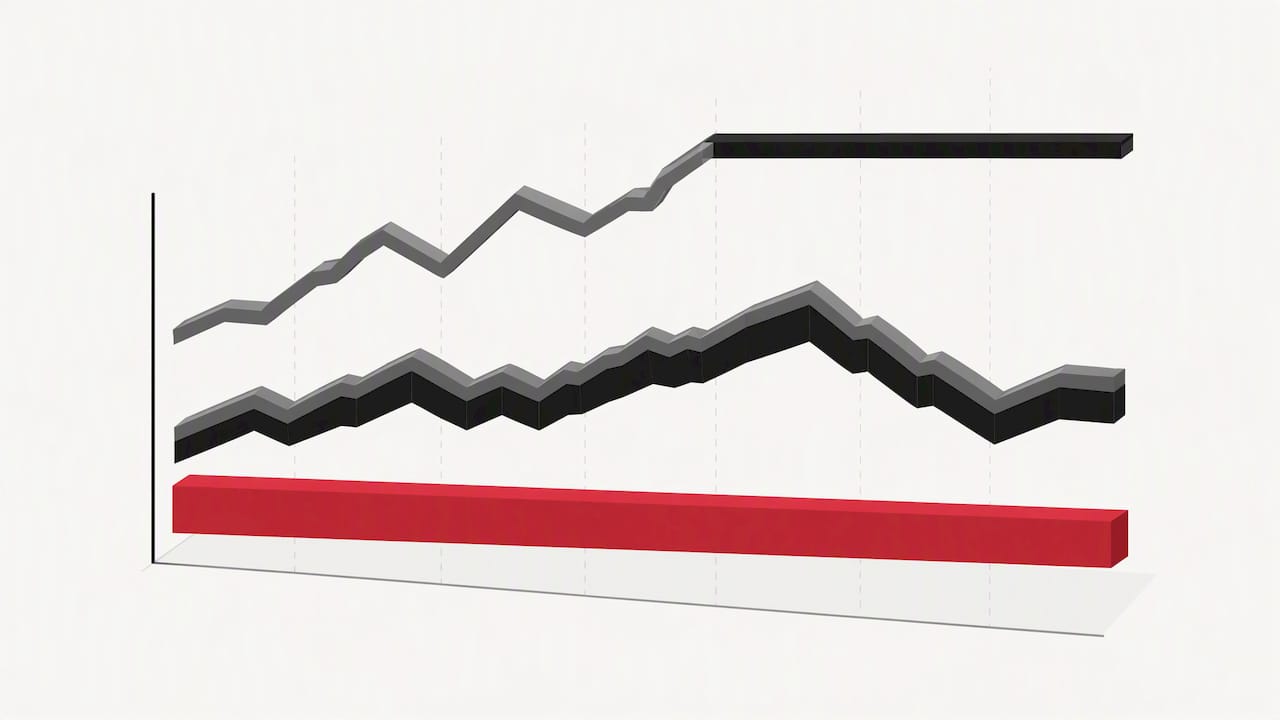
Federal procurement uses this model through Economic Price Adjustment, or EPA, clauses. The VAAR 852.216-75 clause ties invoice adjustments to a published index such as the weekly retail on-highway diesel price series, so your rate moves automatically as that benchmark moves. A related clause, 852.216-72, requires market research to select an index that tracks a supplier’s actual cost drivers and lays out how to calculate proportional adjustments using a base index figure and a percent-of-index allocation.
An EPA clause typically specifies:
- A base index value, the starting point against which future movement is measured.
- A percent-of-price allocation, the share of your rate that actually floats with the index.
- Defined adjustment dates, so pricing changes happen on a schedule rather than at will.
- Written notice requirements, since adjustments generally require a contract modification rather than an automatic invoice change.
The advantage is pricing that reflects real market conditions and flexibility for volumes that vary month to month. The tradeoff is invoice variability and more administrative tracking on your end.
Fixed-price or index/cap: a side-by-side decision guide
Here is how the two structures stack up across the factors procurement teams weigh most:
- Budget certainty: fixed-price wins outright, since the rate never moves once signed.
- Administrative burden: index/cap carries more overhead, with notice requirements and periodic recalculation.
- Upside and downside exposure: fixed-price protects you from spikes but blocks you from drops; a capped index gives you both, within limits.
- Suitability by use case: a municipal fleet with a stable annual budget tends to favor fixed-price, while a data center with unpredictable generator run-time, or a seasonal construction project with lumpy draws, often fits index or cap pricing better.
- Volume predictability: if you can forecast gallons within a narrow band for the next 6 to 12 months, fixed-price terms get easier to negotiate favorably.
Pro Tip: If your volumes are unpredictable but you still want protection from a price spike, ask vendors for a capped index structure rather than choosing blind between the two extremes.
For deeper context on how published benchmarks move and what drives them, our diesel pricing index primer breaks down the wholesale and retail series operations teams rely on most.
How to choose and negotiate your fuel delivery contract
Start with market research before you pick a side. Pull recent EIA diesel and gasoline price series for your region and compare them against any index a vendor proposes, since a mismatched index can drift from your actual cost exposure over time.
EIA reporting shows diesel refinery margins and regional prices can shift quickly with geopolitical events, which is exactly why buyers with heavy diesel exposure, like fleets and data center generator programs, benefit from picking an index that tracks closely and from negotiating downside protection up front.
Work through these steps in order:
- Research your benchmark options and confirm the index reflects your actual fuel type and region, not a generic national average.
- Define the percent-of-index allocation if using an EPA-style clause, so both sides agree what share of the price actually floats.
- Set adjustment cadence and notice windows, typically monthly or quarterly, with written notice before any rate change takes effect.
- Require itemized invoices and signed delivery tickets for every drop, which protects both parties during disputes.
- Clarify unused-gallon rules before signing, including whether gallons roll forward, extend, or expire.
Ask every vendor the same core questions: What index feeds your pricing, and where is it published? What is the base index date? How do you round adjustments? If a cap applies, what triggers it? How are unused gallons handled at contract end?
Finally, confirm SLA terms that reduce operational risk: guaranteed delivery windows, emergency response times, and proof-of-delivery requirements. Our vendor SLA standards guide walks through the specific language worth requesting.
Sample contract clauses you can adapt
Below are short, annotated excerpts procurement teams can use as starting points. Confirm every figure and term with legal counsel before adapting language into a live agreement.
Fixed-price clause (adapted from a state master agreement):
This structure, echoed in the Maine master agreement example, locks the rate but still needs a clear unused-gallon provision to avoid disputes at contract close.
EPA clause elements to confirm, drawn from federal EPA clause guidance:
- Base index value and publication source, stated explicitly.
- Percent-of-price allocation subject to adjustment.
- Adjustment dates and required written notice period.
- A downside-protection line capping how far the rate can rise in any single period.
Delivery defaults worth including in any master agreement: FOB-destination terms, a signed delivery ticket at every drop, electronic invoicing within a defined turnaround, and net-30 payment terms. Route every draft through legal and procurement review together before signature, since EPA clauses in particular carry modification steps that are easy to miss.
How Anytime Fuel Pros supports fixed-rate and indexed fuel contracts
We deliver diesel, gasoline, and DEF on-site for various industries across multiple states, with nationwide reach through a partner network. Whether your team needs a season-long fixed-price arrangement with committed gallons or a scheduled delivery program tied to index-based adjustment rules, we structure agreements around your operational calendar rather than forcing a one-size contract.
What we bring to a fuel delivery contract negotiation:
- On-site diesel, gasoline, and DEF delivery scheduled around your operating hours.
- Bulk delivery programs sized for committed-gallon or fixed-rate arrangements.
- 24/7 emergency response and mobile fleet fueling, including wet hosing for yard operations.
- Transparent, itemized invoicing for every delivery.
If you are ready to compare terms, explore our fuel delivery services or get a quote on bulk fuel delivery built around your volume and schedule.
FAQ
What happens to unused gallons in a fixed-price fuel contract?
Unused-gallon handling depends on your specific contract terms. Many fixed-price agreements, like the Maine master agreement example, allow an extension window or a weighted carryover into the next term, while others forfeit unclaimed gallons at contract close.
How do I pick an index for a fuel price adjustment clause?
Choose a published index that closely tracks the fuel type and region driving your supplier’s actual costs, as federal procurement guidance recommends. The EIA diesel price series is a reliable cross-check for any index a vendor proposes.
How often do index-based fuel prices typically adjust?
Adjustment cadence is set in the contract itself, commonly monthly or quarterly, and EPA clause language generally requires written notice before a rate change takes effect rather than an automatic invoice shift. Confirm the exact cadence and notice window before signing.
Can I get downside protection with an index-based fuel contract?
Yes, a capped index structure lets your price float with the market while setting a ceiling that limits how high the rate can climb. This approach gives you some benefit from price drops without the full exposure a pure index contract carries.
Does Anytime Fuel Pros offer fixed-price fuel delivery contracts?
We structure season-long fixed-price arrangements and scheduled deliveries tied to index-based rules depending on your volume and operational needs. Reach out through our fuel services page to discuss terms suited to your site.
Sources
- Acquisition
- State of Maine master agreement amendment (fixed-price example)
- Petroleum prices reacted to economic and geopolitical uncertainty in the second quarter – U.S. Energy Information Administration (EIA)
Recent Comments