
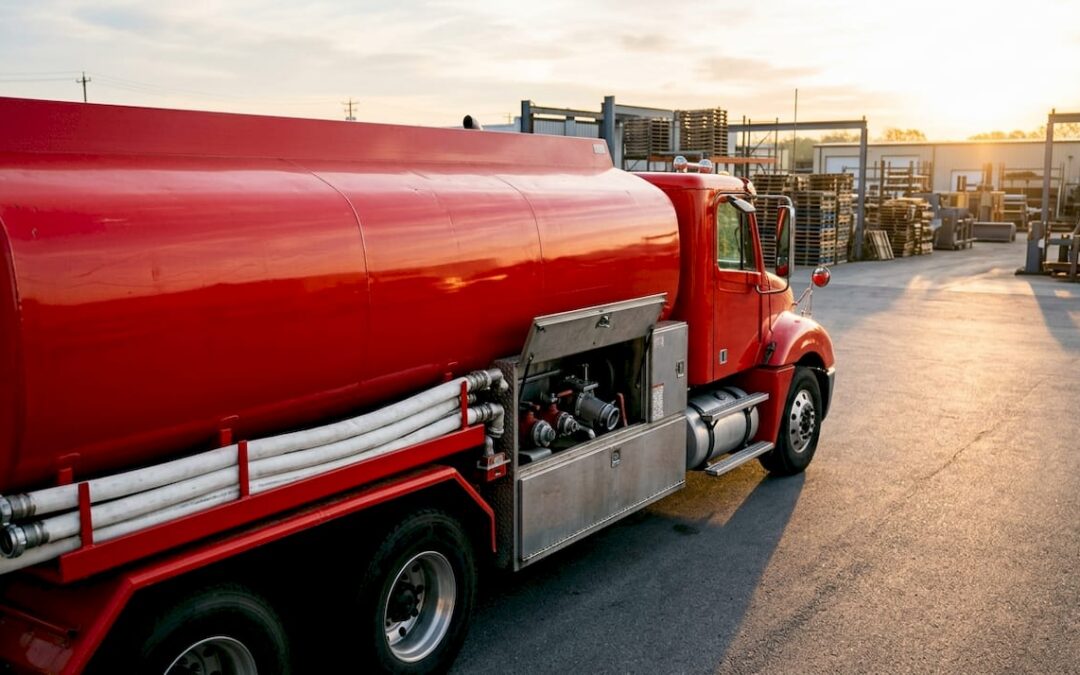
On-site fuel delivery is defined as the direct provisioning of diesel or gasoline to vehicles and equipment at their operating location, eliminating the need for drivers to leave the job site to refuel. How fuel delivery reduces fleet downtime comes down to one core mechanism: fuel arrives at the fleet, not the other way around. Drivers spend 20–30 minutes per fueling stop at retail stations, and for a fleet of 50 vehicles, that loss compounds into thousands of unrecoverable labor hours each year. Scheduled deliveries, mobile wet-hosing, and IoT-monitored fuel management systems each address a different layer of this productivity drain. Fleet managers who treat fuel logistics as an operational variable, not a fixed inconvenience, consistently recover more uptime and tighter cost control.
How does on-site fuel delivery eliminate fleet downtime?
On-site fuel delivery works by sending a certified fuel technician and a tanker truck directly to your yard, job site, or equipment depot. Vehicles and heavy equipment get refueled during off-hours, typically overnight, so every asset starts the shift with a full tank. No driver leaves the site. No shift begins late because a loader ran dry.
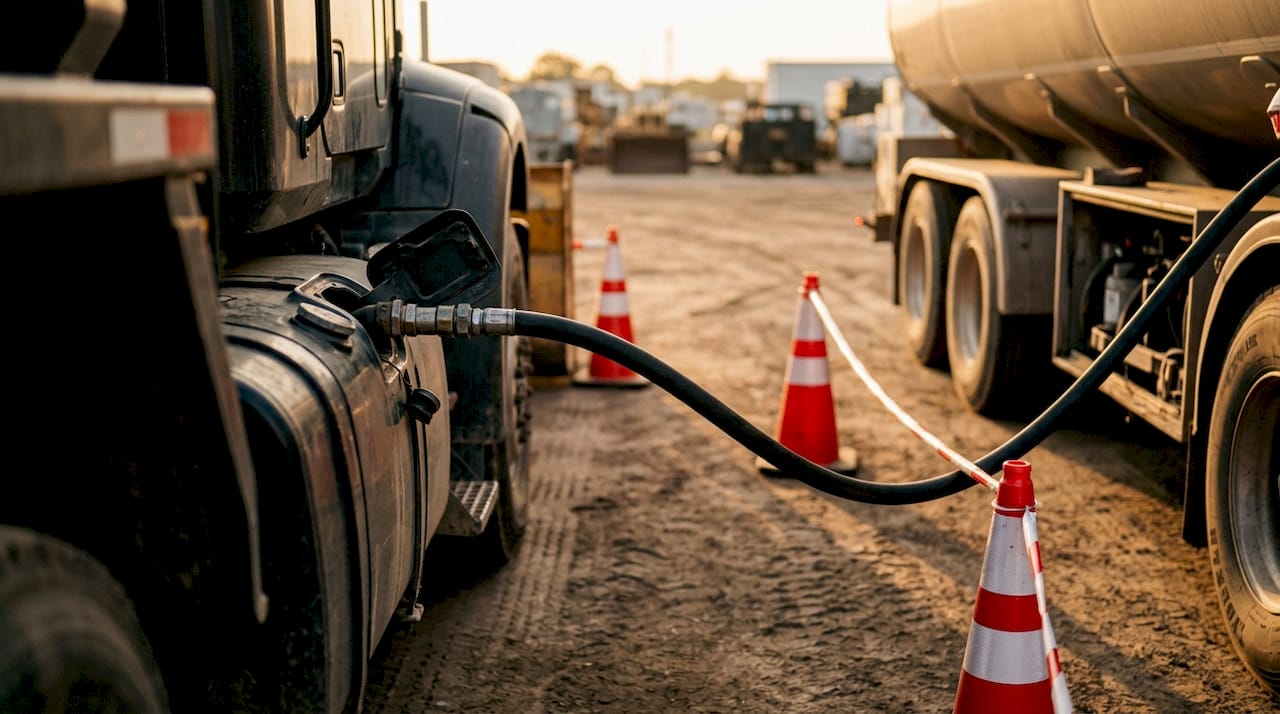
The core service model is mobile wet-hosing: a technician connects directly to each vehicle’s fuel port and fills it on the spot. This approach works across mixed fleets, covering diesel trucks, excavators, telehandlers, generators, and light-duty service vehicles in a single visit. Scheduled deliveries can be set daily, weekly, or on-demand depending on your fleet’s consumption patterns and operational calendar.
The logistics integration goes deeper than just showing up with fuel. Modern fuel delivery programs sync with fleet management software to track consumption by vehicle, flag anomalies, and adjust delivery volumes automatically. Digital monitoring platforms provide real-time consumption data, so dispatchers know exactly how much fuel each asset used and when the next delivery is needed.
Pro Tip: Schedule overnight deliveries to align with your fleet’s shift start time. Vehicles fueled between 10:00 PM and 5:00 AM are ready at first call, and your technicians never compete with morning traffic or site activity.
- Wet-hosing covers all asset types in one visit, including trucks, heavy equipment, and standby generators
- Overnight scheduling means zero conflict with productive shift hours
- Delivery frequency adjusts to seasonal demand spikes, such as harvest season or peak construction months
- Certified technicians handle fuel handling compliance, reducing liability for fleet operators
- Mobile fleet fueling removes trip mileage from vehicles that would otherwise drive to retail stations
What are the measurable financial benefits of fuel delivery programs?
The financial case for on-site fueling is built on three pillars: recovered labor hours, wholesale fuel pricing, and theft prevention. Each one delivers a distinct return, and together they create a compounding effect on fleet operating costs.
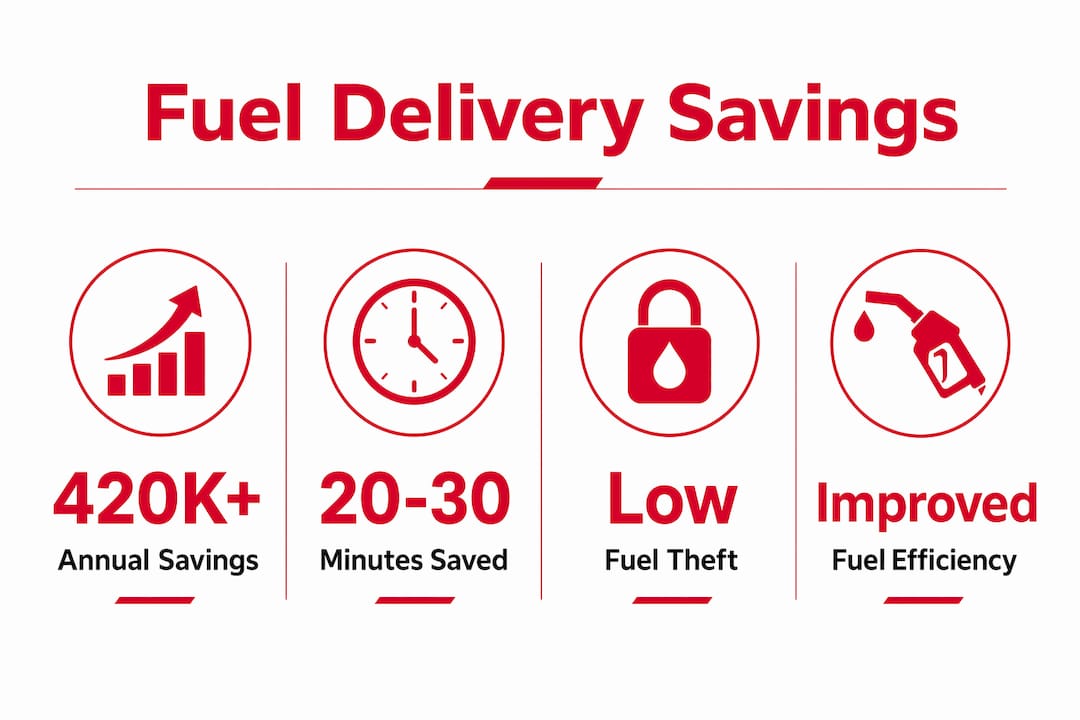
Drivers typically spend 20–30 minutes per fueling stop at retail stations. That figure does not include drive time to and from the station, which adds another 10–20 minutes depending on location. For a 100-vehicle fleet making five fueling stops per week each, the math produces thousands of lost labor hours annually, all of it paid time with zero productive output.
Fuel pricing is the second lever. On-site delivery programs typically access wholesale or contract pricing rather than retail pump rates. That gap matters most during price volatility, when retail margins widen and fleet fuel budgets absorb the full impact. Locking in contract pricing through a delivery program smooths that exposure.
“Integrated fuel delivery and management systems with IoT monitoring can drive annual savings of $420,000 to $510,000 for a 100-vehicle fleet, mainly by optimizing routing, preventing theft, and eliminating manual card administration.”
That savings range reflects the full stack of benefits, not just fuel cost. IoT monitoring alone improves fuel efficiency by 30–60% by identifying consumption anomalies before they become budget problems. The table below breaks down where those savings originate.
| Savings Category | Primary Driver |
|---|---|
| Recovered labor hours | Eliminating retail fueling stops and idle time |
| Fuel cost reduction | Wholesale pricing versus retail pump rates |
| Theft and misuse prevention | Digital tracking and on-site dispensing control |
| Reduced vehicle wear | Fewer miles driven to off-site fuel stations |
| Administrative savings | Automated reporting replaces manual fuel card reconciliation |
Real-time digital tracking provides instant consumption stats, anomaly detection, and full usage history by vehicle. That data turns fuel management from a reactive cost center into a proactive efficiency tool.
How does fuel delivery prevent hidden costs like theft and unauthorized spending?
Fuel theft and unauthorized spending are the quiet profit killers in fleet operations. They rarely show up as a single large loss. Instead, they erode budgets in small, hard-to-detect increments that accumulate into significant annual exposure.
The “convenience store tax” is the most overlooked line item in fleet fuel budgets. When drivers stop at retail stations, unauthorized purchases on company fuel cards, including snacks, drinks, and personal items, cost fleets thousands of dollars annually. On-site fueling eliminates the retail stop entirely, so the opportunity for that spending disappears. There is no pump, no store, and no card swipe outside the controlled fueling event.
Fuel card misuse extends beyond convenience store purchases. Cards get shared, used for personal vehicles, or swiped at unauthorized locations. Digital reporting from on-site delivery programs flags these discrepancies immediately, matching dispensed volume to vehicle records and raising alerts when numbers do not align.
Pro Tip: Request itemized delivery reports that show fuel dispensed per vehicle, per shift, and per operator. Cross-reference that data against your fleet’s expected consumption rates monthly. Discrepancies above 5% warrant a direct investigation.
The accountability benefits extend to subcontractors and third-party operators working on your site. When fuel is dispensed through a controlled on-site system, every gallon is logged. That audit trail protects you during billing disputes and gives operations directors the visibility they need to manage fuel as a tracked asset rather than an open expense.
- On-site dispensing eliminates retail card swipes and the unauthorized purchases that accompany them
- Per-vehicle consumption logs create a clear audit trail for every gallon dispensed
- Anomaly detection in digital platforms flags unusual consumption before it becomes a pattern
- Controlled fueling events remove the opportunity for fuel siphoning or tank-to-tank transfers
- Transparent invoicing from delivery providers replaces the opacity of bulk fuel card statements
What are the best practices for implementing fuel delivery to maximize fleet uptime?
Transitioning from retail fueling to a managed delivery program requires more than signing a contract. Fleet managers who get the most from on-site fueling treat the implementation as a logistics project with defined phases and measurable milestones.
Assess your fleet’s actual fuel consumption
Start with 90 days of historical fuel card data. Break it down by vehicle type, shift pattern, and location. This baseline tells you how much fuel your fleet actually consumes versus what you are paying for, and it reveals where consumption spikes occur. Seasonal demand, such as summer construction peaks or winter generator loads, should factor into your delivery frequency planning.
Choose the right delivery schedule
Scheduling can be daily, weekly, or on-demand depending on fleet operational needs. The goal is a “set it and forget it” overnight refueling model that keeps every asset ready at shift start without requiring dispatcher intervention. Fleets with high daily mileage or heavy equipment running multiple shifts typically need daily delivery. Smaller fleets or those with predictable weekly patterns can operate efficiently on a weekly schedule with on-demand backup for surge periods.
Coordinate for emergency and off-hour coverage
Fuel emergencies do not follow business hours. A generator running out of diesel at 2:00 AM during a storm, or a dozer running dry mid-shift on a remote site, requires a provider with 24/7 response capability. Confirm that your delivery partner offers emergency fuel response before you finalize any contract. Response time commitments should be in writing.
Avoid common transition pitfalls
The most common mistake in transitioning to on-site fueling is running both systems simultaneously for too long. Keeping retail fuel cards active while also receiving deliveries creates double-counting in your fuel budget and undermines the accountability benefits of the new system. Set a firm cutover date, communicate it to drivers and site supervisors, and deactivate retail cards on schedule.
- Pull 90 days of fuel card data and establish a per-vehicle consumption baseline
- Map your fleet’s shift patterns to identify the optimal delivery window, typically overnight
- Select delivery frequency based on consumption volume: daily for high-use fleets, weekly for moderate
- Confirm 24/7 emergency response capability with your delivery provider before signing
- Set a firm retail card cutover date and communicate it across all sites and operators
- Review the first 30 days of delivery reports against your baseline to verify accuracy and catch anomalies early
Fuel delivery for fleet efficiency works best when it is treated as a managed program, not a one-time service swap. The operational gains compound over time as consumption data improves scheduling accuracy and digital reporting replaces manual reconciliation.
Anytimefuelpros: on-site fuel delivery built for fleet operations
Fleet managers running diesel-powered vehicles and equipment across Texas, Utah, or anywhere in the continental United States have a direct path to fewer delays and tighter fuel budgets through Anytimefuelpros.
Anytimefuelpros delivers diesel and gasoline directly to job sites, equipment yards, and fleet depots through scheduled and on-demand service. Mobile wet-hosing, bulk tank fills, DEF delivery, and 24/7 emergency response are all available under one account. Digital tracking provides per-vehicle consumption reports, and transparent invoicing replaces the guesswork of fuel card reconciliation. Whether you manage a 10-truck service fleet in San Antonio or a multi-site construction operation across three states, Anytimefuelpros provides a single point of contact for all your fueling needs. Request diesel delivery or explore the full range of on-site fuel services to see what a managed program looks like for your operation.
Key takeaways
On-site fuel delivery is the most direct method for eliminating fleet downtime caused by refueling, recovering labor hours, and controlling fuel costs through digital accountability.
| Point | Details |
|---|---|
| Eliminate retail fueling stops | Drivers spend 20–30 minutes per stop; on-site delivery recovers that time entirely. |
| IoT monitoring drives savings | Digital tracking improves fuel efficiency by 30–60% and flags theft or misuse in real time. |
| Hidden costs add up fast | The convenience store tax and fuel card misuse cost fleets thousands annually; on-site fueling removes both. |
| Schedule overnight for maximum uptime | Overnight delivery means every vehicle starts the shift fully fueled with zero dispatcher intervention. |
| Treat implementation as a project | Establish a consumption baseline, set a cutover date, and review the first 30 days of delivery data. |
FAQ
How does fuel delivery reduce fleet downtime?
Fuel delivery eliminates the need for drivers to leave the job site to refuel, recovering 20–30 minutes per fueling stop per vehicle. Vehicles are fueled overnight so every asset starts each shift ready to work.
What is mobile wet-hosing?
Mobile wet-hosing is the direct fueling of vehicles and equipment by a certified technician using a tanker truck at your location. It covers all asset types in a single visit, including trucks, heavy equipment, and generators.
How much can a fleet save with on-site fuel delivery?
Integrated fuel delivery programs with IoT monitoring can generate annual savings of $420,000 to $510,000 for a 100-vehicle fleet through recovered labor, theft prevention, and eliminated card administration costs.
What is the convenience store tax in fleet operations?
The convenience store tax refers to unauthorized purchases made on company fuel cards when drivers stop at retail stations. On-site fueling eliminates this exposure by removing the retail stop entirely.
How do I choose delivery frequency for my fleet?
Match delivery frequency to your fleet’s daily consumption volume. High-use fleets with heavy equipment or multiple daily shifts typically need daily delivery. Moderate-use fleets can operate on weekly scheduled delivery with on-demand backup for surge periods.
Recommended
- How Much Downtime Is Fueling Costing Your Fleet? – Anytime Fuel Pros
- Mobile Fuel Delivery Explained: How This Can Save Your Business Money – Anytime Fuel Pros
- The Role of Technology in Fuel Delivery Operations
- The Hidden Cost of Idle Equipment: How On-Site Diesel Delivery Saves Time and Money – Anytime Fuel Pros
Recent Comments