
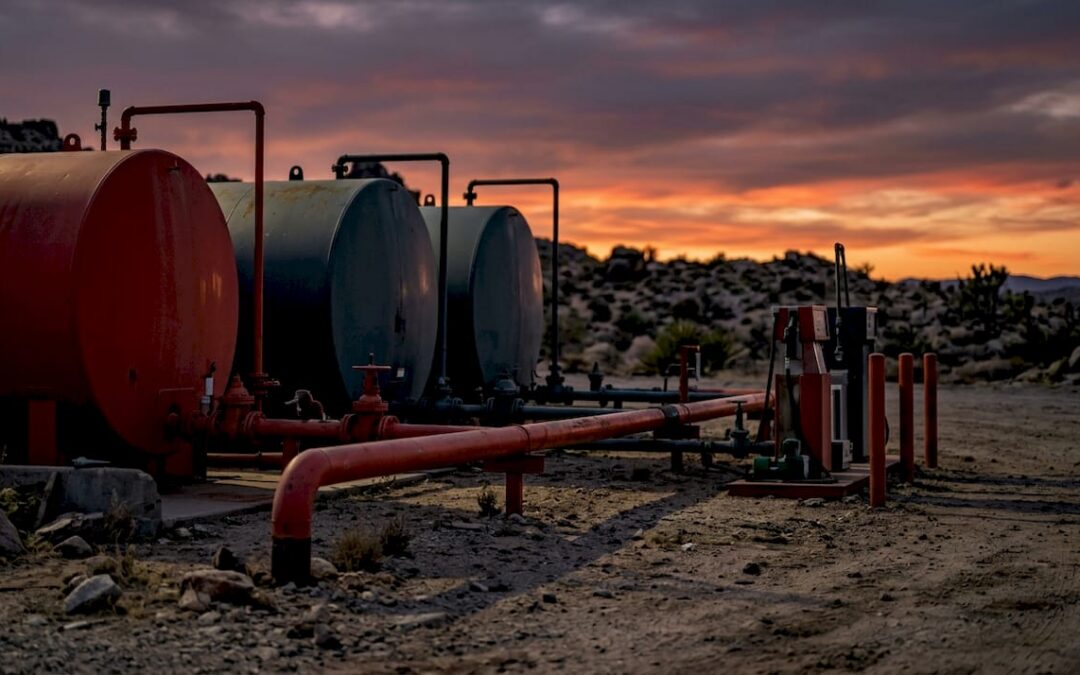
Oil field fueling operations are defined as the integrated management of fuel sourcing, logistics, delivery, and on-site distribution required to power drilling rigs, frac fleets, and support equipment without interruption. Understanding how oil field fueling operations work is not optional knowledge for operations managers. It is the difference between a site that runs on schedule and one that hemorrhages money waiting for fuel. The industry has moved well past simple diesel delivery. Today’s field fueling process combines coordinated supply chains, advanced conditioning equipment, tri-fueling strategies, and real-time communication between logistics dispatchers and site production teams. Getting each layer right determines whether your operation stays productive or stalls.
How oil field fueling operations are planned and coordinated
Fuel planning in oil and gas starts with matching supply volume to operational tempo, not to a fixed calendar schedule. Frac fleets and drilling rigs consume fuel at rates that shift dramatically based on stage count, equipment load, and formation conditions. A logistics team that schedules deliveries on a fixed weekly cycle will fall short during high-intensity fracturing phases and over-deliver during slower drilling windows.
Tight alignment between fuel supply and operational tempo requires continuous communication between site production managers and fuel logistics dispatchers. When a frac crew accelerates its stage count, the logistics team needs to know immediately so they can reroute or expedite a tanker. That kind of real-time coordination is what separates a well-run fueling program from a reactive one.
Fuel management technology has become a core planning tool. Tank monitoring systems, digital dispatch platforms, and usage reporting software give logistics coordinators visibility into consumption rates across multiple sites simultaneously. The oil field fuel supply chain runs from the refinery through bulk terminals, to transport tankers, and finally to on-site storage tanks and equipment. Each handoff is a potential delay point if visibility breaks down.
Key planning factors that every site manager should account for:
- Demand forecasting: Base delivery schedules on stage count projections and equipment utilization rates, not just historical averages.
- Access windows: Identify road weight restrictions, gate hours, and terrain constraints that limit tanker access, especially during wet seasons.
- Buffer inventory: Maintain on-site storage capacity that covers at least one full operational day beyond the next scheduled delivery.
- Escalation protocols: Define who calls the logistics team when consumption spikes, and how fast a response is expected.
Pro Tip: Build a shared communication channel between your site foreman and your fuel logistics dispatcher. A 15-minute heads-up on a stage acceleration can prevent a 4-hour fuel shortage.
What technologies and methods power fueling in oil fields?
Tri-fueling is the most significant technology shift in oilfield fueling operations in the past decade. Tri-fueling integrates three fuel sources, specifically diesel, compressed natural gas (CNG), and field-sourced natural gas, into a single fueling program for frac fleets. Tri-fueling can save up to $400,000 per frac operation by reducing dependence on transported diesel and CNG. That figure reflects both direct fuel cost savings and the reduced logistics burden of hauling fewer tanker loads to remote sites.
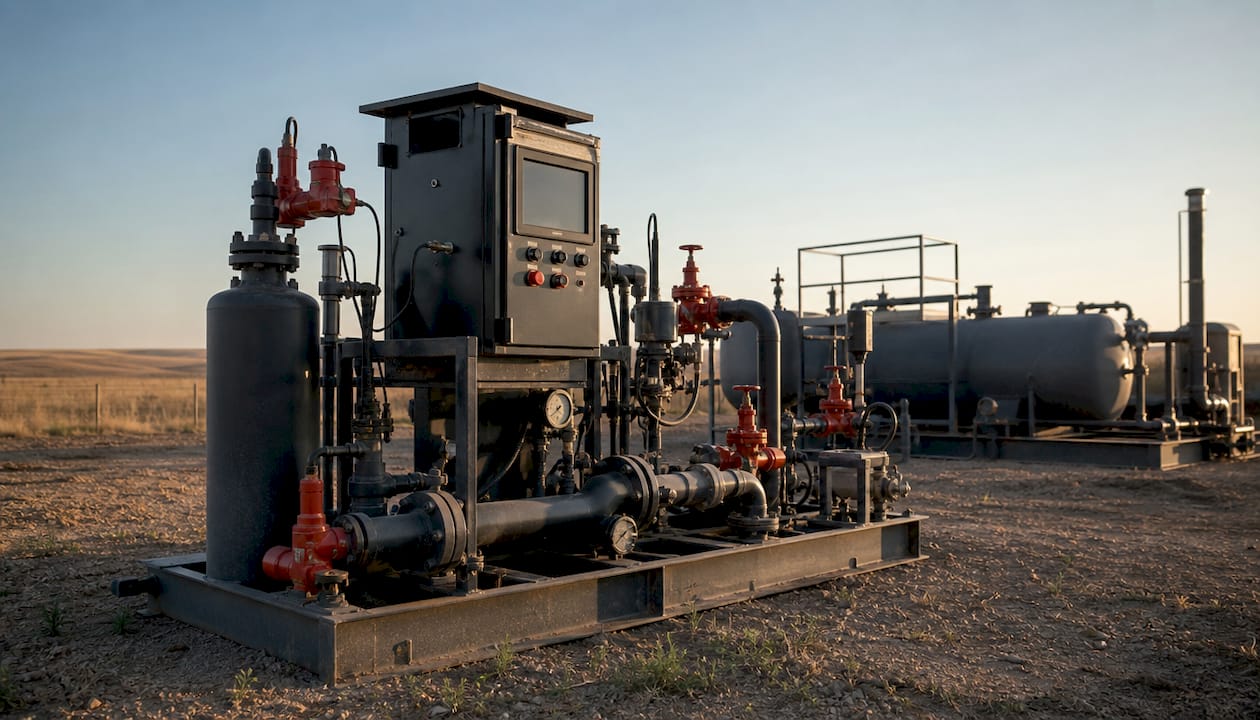
Field gas fueling takes the concept further by conditioning and distributing natural gas that would otherwise be flared at the wellsite. Recovering up to 10,000 gallons per day of liquids from flare streams is achievable when tri-fueling is implemented correctly. Those recovered liquids can be used as fuel or sold, turning a waste stream into a cost offset.
On-site fuel conditioning requires mobile surface equipment that processes raw field gas to meet engine specifications. Field gas conditioning services use mobile equipment and regular inspections to maintain safe, reliable operations in challenging environments. The conditioning step is non-negotiable. Raw field gas fed directly into a frac engine without treatment will damage equipment and void warranties.
| Fueling method | Primary fuel source | Key advantage |
|---|---|---|
| Conventional diesel | Transported diesel | Universal compatibility, no conditioning required |
| Dual-fuel (diesel + CNG) | Diesel and compressed natural gas | Reduces diesel consumption per stage |
| Tri-fueling | Diesel, CNG, and field gas | Lowest cost per stage, reduces transport logistics |
| Field gas only | On-site natural gas | Eliminates transported fuel for gas-capable engines |
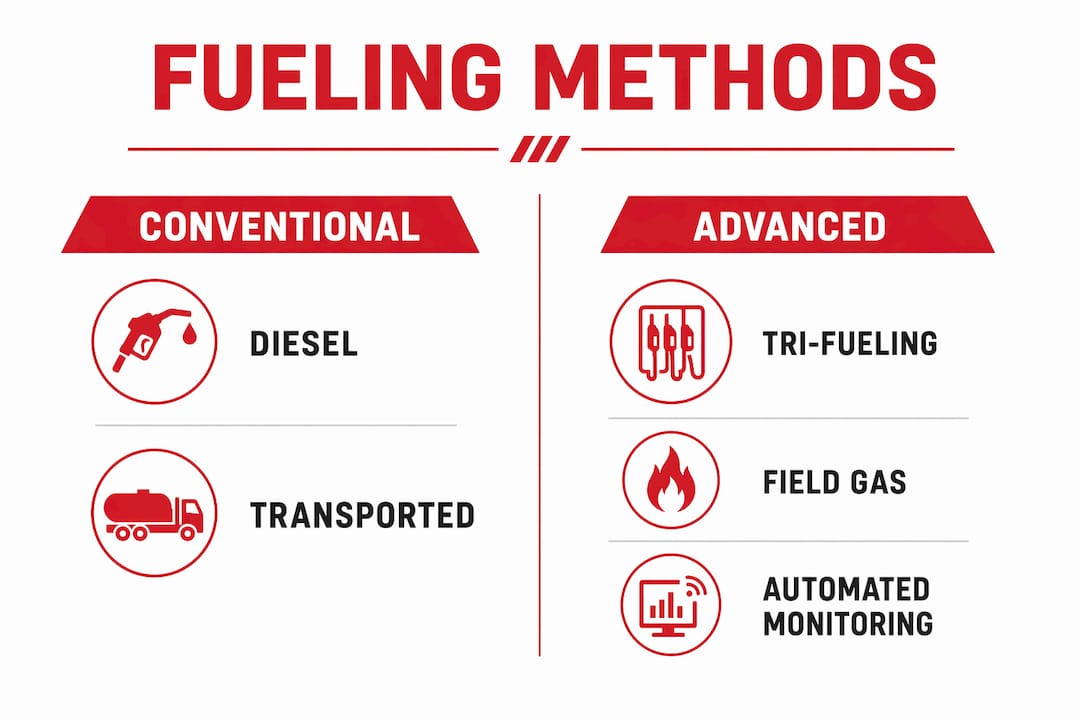
Automated monitoring rounds out the technology picture. Tank gauges with remote telemetry, RFID-controlled dispensing access, and digital usage logs give operations teams accurate inventory data without manual dip-stick checks. The HyDip tank monitoring system provides real-time usage reporting and secure access control, which reduces both theft risk and the chance of running a tank dry between scheduled deliveries.
Pro Tip: If your site flares gas, get a field gas assessment before your next frac campaign. The conditioning equipment is mobile, and the fuel cost savings often pay for the service within a single operation.
What are the biggest challenges in oil field fuel logistics?
Remote site access is the hardest constraint in fueling operations in oil fields. Caliche roads wash out. Weight restrictions close county roads during spring thaw. Lease roads that were passable in october become impassable in february. Every one of those access disruptions translates directly into a delivery delay, and a delivery delay on a frac site means equipment sitting idle.
Integrated bulk delivery, on-site storage, and fuel management technology working together is the proven approach to avoiding downtime in remote oil and gas projects. No single element is sufficient on its own. A site with excellent storage but no monitoring will still run dry if consumption spikes unexpectedly. A site with good monitoring but no buffer storage will still stall if a tanker is delayed by road conditions.
Fuel quality compliance adds another layer of complexity. Dyed diesel used in off-road equipment must meet EPA regulations for sulfur content and dye concentration. Mixing dyed and clear diesel in the wrong context creates regulatory exposure. Sites operating in Texas and other major producing states must also track DEF (diesel exhaust fluid) consumption for Tier 4 engine compliance.
The most effective practices for managing these challenges:
- Pre-position storage: Place bulk tanks at the site entry point where tanker access is easiest, then use smaller transfer units to reach equipment in difficult terrain.
- Dual-source your supply: Identify a primary fuel supplier and a backup source within the same region so a single supplier disruption does not shut down the site.
- Schedule quality checks: Test fuel samples from on-site tanks on a regular cadence to catch water contamination or microbial growth before it reaches engines.
- Document everything: Maintain delivery receipts, tank gauge logs, and DEF records in a centralized system for compliance audits.
On-site storage paired with scheduled deliveries measurably improves fuel availability and operational reliability. The sites that run without fuel-related downtime are the ones that treat storage capacity as a strategic asset, not just a convenience.
Oil and gas field fueling logistics examples and their impact
The clearest example of how fueling strategy affects operational outcomes comes from tri-fueling deployments in the Permian Basin and Eagle Ford. Sites that integrated field gas into their frac fleet fueling programs reduced the number of diesel tanker loads required per campaign by a meaningful margin. Fewer tanker loads mean fewer road miles, lower transport costs, and reduced exposure to delivery delays caused by traffic or road conditions.
Continuous monitoring and 24/7 on-call support directly contribute to uptime on active drilling and completion sites. When a tank gauge triggers a low-level alert at 2:00 AM, a team with 24/7 coverage can dispatch a tanker before the morning shift starts. A team without that coverage finds out about the shortage when the driller calls at 6:00 AM, and the delay cascades through the day’s schedule.
A single-source fueling partner reduces complexity and improves visibility across multi-site operations. When one vendor manages bulk diesel delivery, field gas conditioning, CNG coordination, and DEF supply across several pads, the operations team works with one invoice, one dispatch contact, and one accountability structure. That consolidation cuts administrative overhead and eliminates the finger-pointing that happens when multiple vendors share responsibility for a fuel shortage.
For site managers handling remote oil field delivery, the practical lesson is straightforward. Build your fueling program around the site’s access constraints and consumption profile first. Then layer in technology and alternative fuel sources to reduce cost and risk. The sites that treat fueling as a logistics discipline, rather than a procurement task, consistently outperform those that do not.
Anytimefuelpros: field fueling support for oil and gas operations
Anytimefuelpros delivers bulk diesel, DEF, and on-site fuel management to oil and gas operations across Texas, Utah, and nationwide through a trusted partner network. Whether you need scheduled bulk diesel delivery for a multi-pad frac campaign or emergency fuel response when a tanker misses its window, Anytimefuelpros operates with 24/7 availability and transparent invoicing.
For operations managers running multi-site programs, Anytimefuelpros provides a single point of contact for fueling across locations, which removes the coordination burden of managing multiple regional vendors. The team handles everything from remote site logistics to DEF compliance delivery. If you have questions about service coverage or scheduling, the fuel delivery FAQ is a direct starting point.
Key Takeaways
Oil field fueling operations require integrated planning, real-time coordination, and layered technology to prevent downtime and control costs across every phase of drilling and completion.
| Point | Details |
|---|---|
| Tri-fueling cuts costs significantly | Integrating diesel, CNG, and field gas can save up to $400,000 per frac operation. |
| Real-time coordination prevents shutdowns | Continuous communication between logistics dispatchers and site teams stops fuel shortages during high-consumption phases. |
| Storage capacity is a strategic asset | On-site buffer storage covering at least one full operational day protects against delivery delays caused by road or weather conditions. |
| Monitoring technology closes the visibility gap | Remote tank gauges and RFID-controlled dispensing reduce theft risk and prevent unexpected run-dry events. |
| Single-source partnerships reduce complexity | One vendor managing fuel across multiple sites cuts administrative overhead and creates clear accountability. |
FAQ
How do oil field fueling operations work at a basic level?
Oil field fueling operations involve sourcing diesel, CNG, or field gas, transporting it to the site, storing it in on-site tanks, and distributing it directly to drilling rigs, frac fleets, and support equipment. Logistics dispatchers and site production teams coordinate in real time to match fuel supply with operational demand.
What is tri-fueling in oil field operations?
Tri-fueling integrates diesel, compressed natural gas, and field-sourced natural gas into a single fueling program for frac fleets. It reduces dependence on transported fuels and can save up to $400,000 per frac operation while recovering usable liquids from flare streams.
Why does fuel coordination matter during hydraulic fracturing?
Hydraulic fracturing consumes fuel at high and variable rates depending on stage count and equipment load. Fuel supply and operational tempo must stay tightly aligned during fracturing phases to prevent costly equipment downtime.
What fuel types are used in oil field operations?
Oil field sites primarily use clear and dyed diesel for heavy equipment, DEF for Tier 4 engine compliance, CNG for dual-fuel applications, and field-sourced natural gas where conditioning equipment is available.
How do remote site conditions affect fuel delivery schedules?
Road weight restrictions, seasonal washouts, and limited access windows can delay tanker deliveries to remote sites. Pre-positioned bulk storage and dual-source supply agreements are the standard methods for managing that risk.
Recent Comments