by JustinD | Sep 14, 2026 | Uncategorized
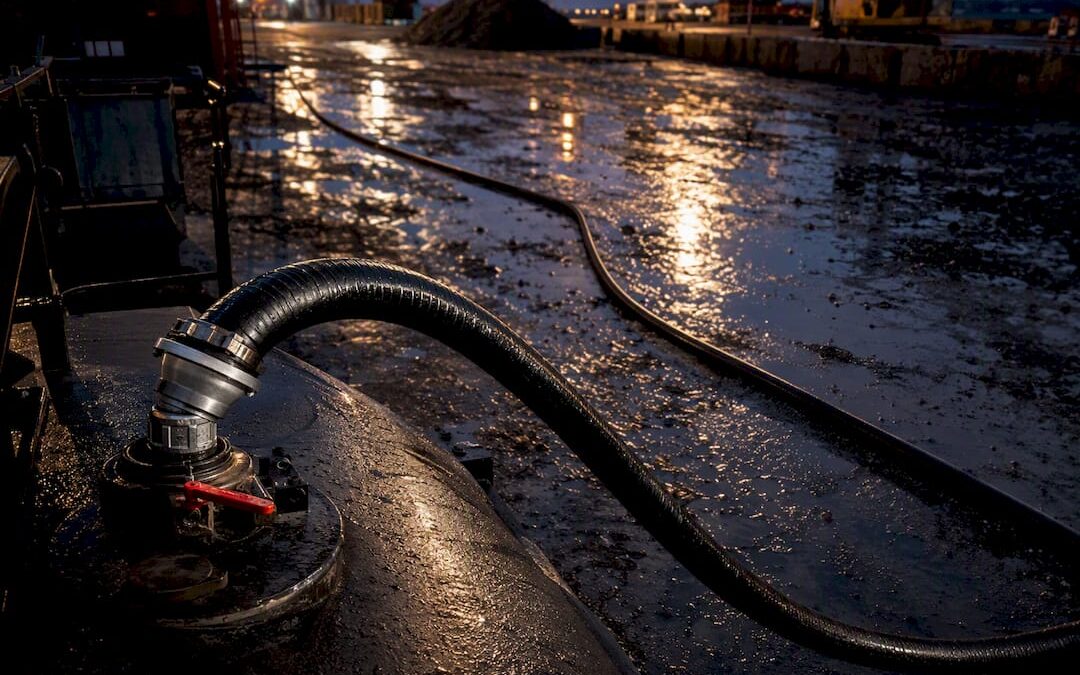
Wet hosing means fueling vehicles and equipment directly from a tanker truck that comes to your site, rather than sending drivers to a station or drawing from a stored tank. Also called mobile fueling, direct fueling, or on-site fueling, it puts diesel or gasoline...
by JustinD | Sep 13, 2026 | Uncategorized
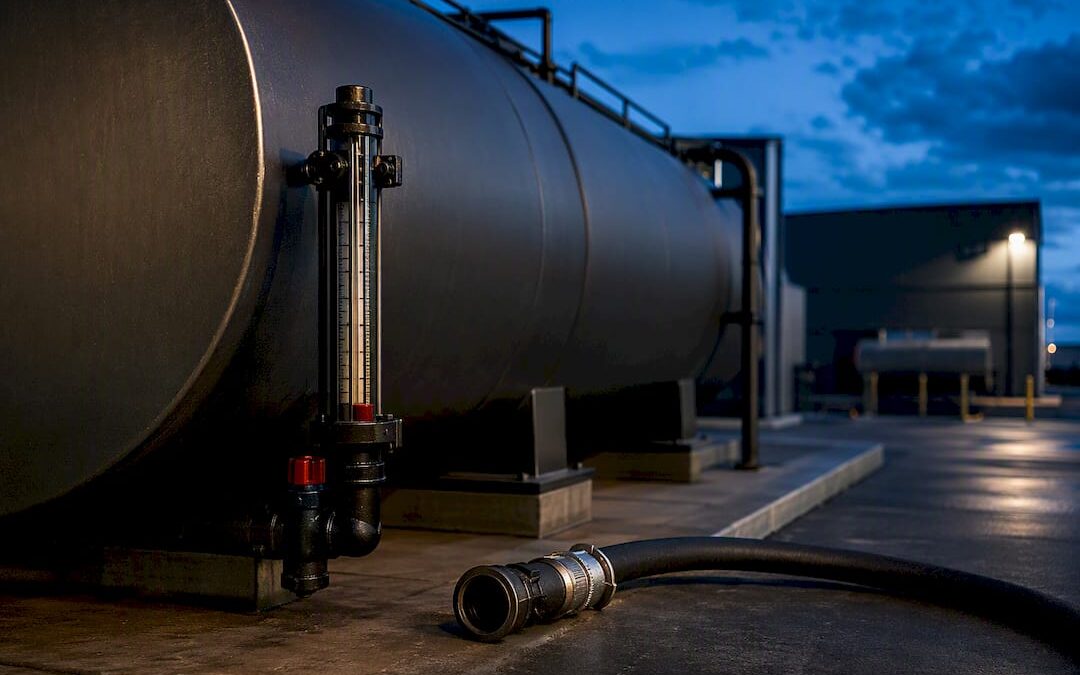
A minimum fuel delivery is the smallest amount a supplier will pump on a single visit, usually somewhere between 100 and 1,000 gallons for standard commercial drops, 25 to 500 gallons for small wet-hose jobs, and 4,000 to 6,500 gallons or more for a full tanker lift....

by JustinD | Sep 12, 2026 | Uncategorized
Yes, most U.S. fleets can cut 8 to 15 percent from annual fuel spend without buying a single new truck. The path runs through measurement first, then waste: track cost-per-mile, fix idling and out-of-route miles, and route drivers to negotiated pricing instead of the...

by JustinD | Sep 11, 2026 | Uncategorized
Biodiesel works well in generators that run often and consume fuel fast, and poorly in standby units that sit idle for months. The main risks are oxidation in storage, warranty gaps, and cold-weather gelling. Before you order a drop, verify your OEM’s blend limit and...
by JustinD | Sep 10, 2026 | Uncategorized
Supplier fuel consumption reporting is the delivery ticket, bill of lading, and consolidated usage or invoice record your vendor generates for every drop. It matters because those documents are what let you verify the gallons you were billed for actually landed in...

Recent Comments