by JustinD | Sep 30, 2026 | Uncategorized
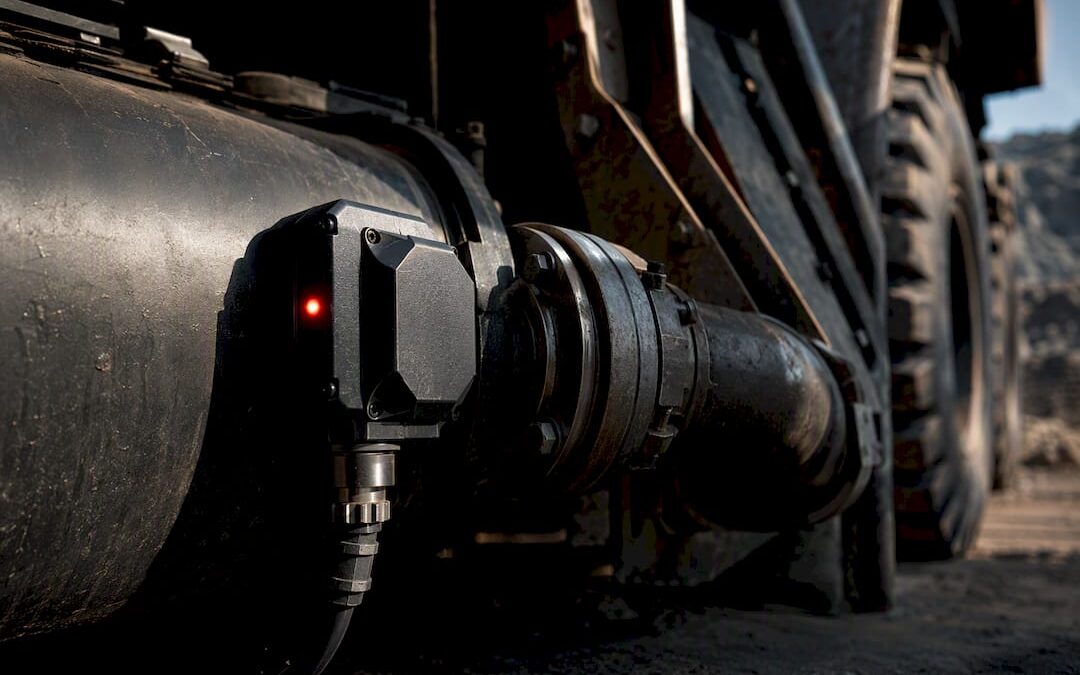
A solid mining equipment fueling plan combines five things: secure bulk tanks with secondary containment, metered dispensing at the asset level, real-time telemetry, a scheduled delivery and emergency resupply arrangement, and documented safety and compliance...
by JustinD | Sep 29, 2026 | Uncategorized
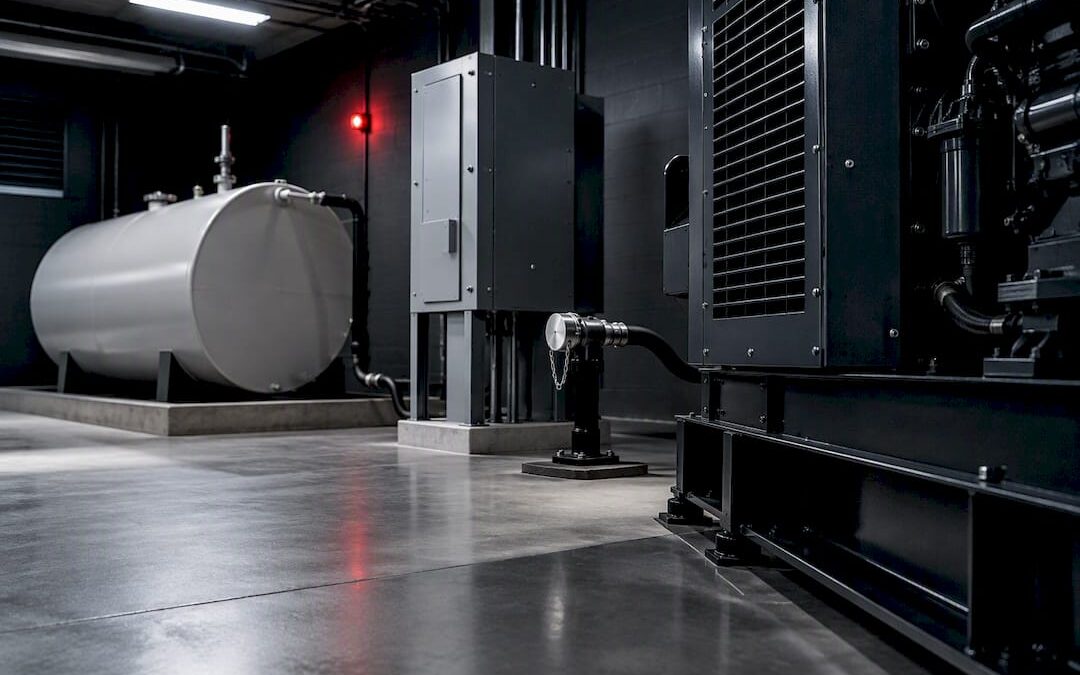
When the power drops, the first move is not the fuel truck. It is confirming staff safety, verifying the generator starts and connects cleanly to critical loads, and checking day-tank levels before anyone picks up the phone. Once those three checks clear, the...
by JustinD | Sep 28, 2026 | Uncategorized
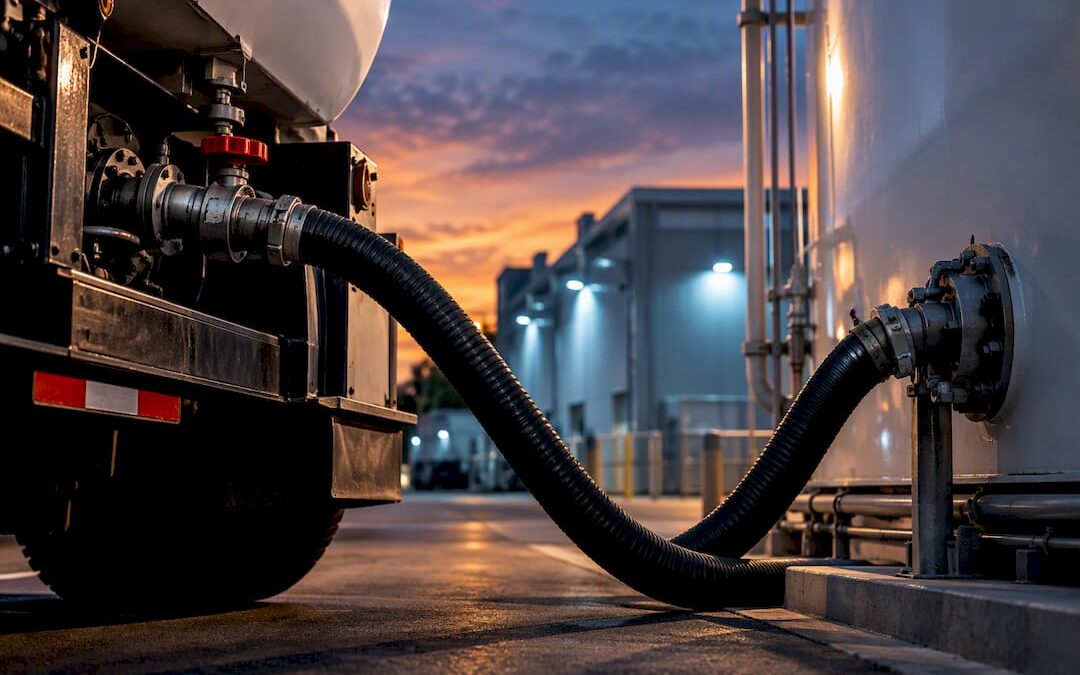
Emergency on-site diesel delivery typically runs from a premium of $0.50 to $2.00 or more per gallon above the base commodity price, once after-hours fees, mobilization charges, and truck minimums are added to the invoice. The exact number depends on how far the truck...
by JustinD | Sep 27, 2026 | Uncategorized
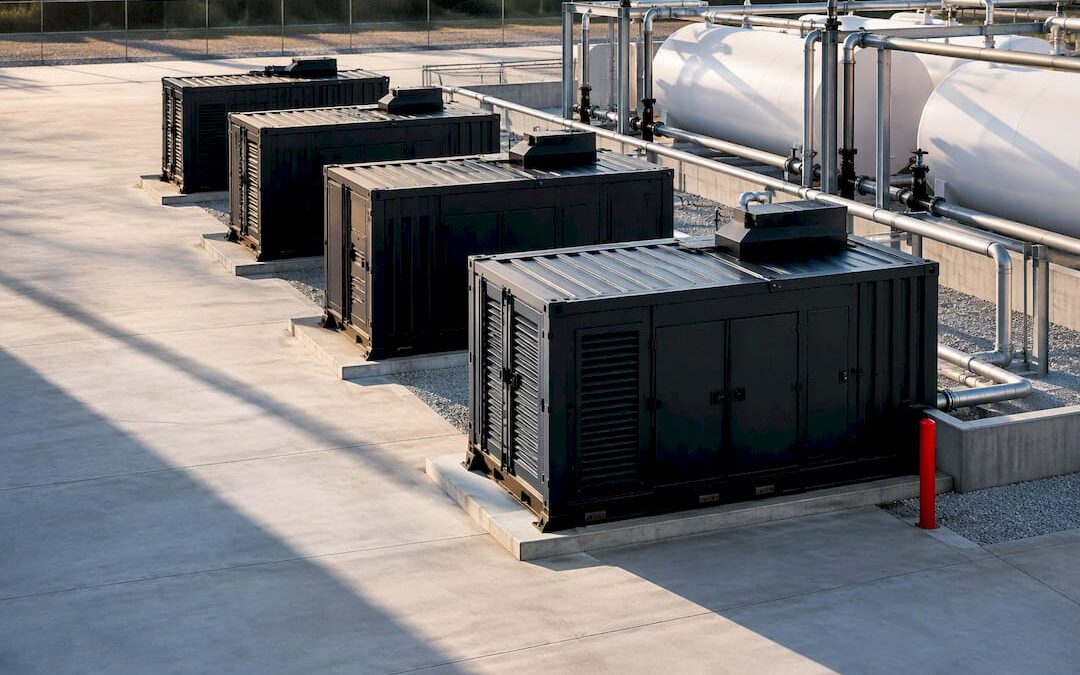
Diesel remains the right backbone for mission-critical backup power, and nothing in the current market changes that verdict. The real work is in the trade-offs: reliability and runtime versus rising emissions compliance costs, and both hinge on fuel condition you...
by JustinD | Sep 26, 2026 | Uncategorized
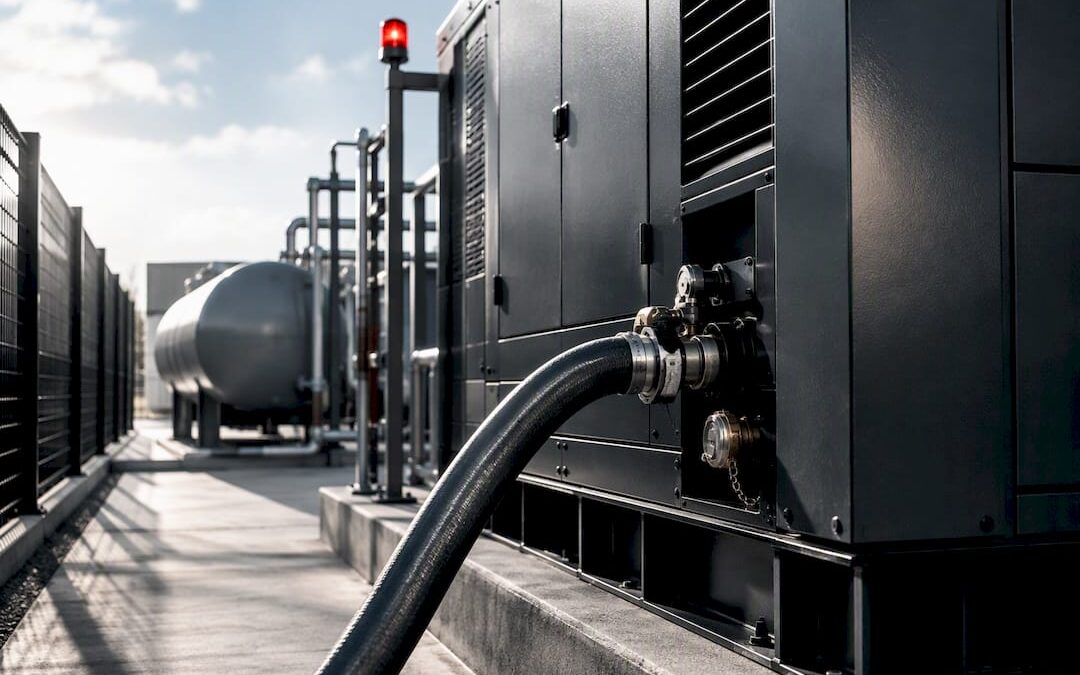
A data center fuel contract has to guarantee two things at once: scheduled top-offs that keep tanks at testing-ready levels, and emergency refueling with a measured response time when the grid fails. It also has to spell out who carries which NFPA 110, EPA UST, and...
by JustinD | Sep 25, 2026 | Uncategorized
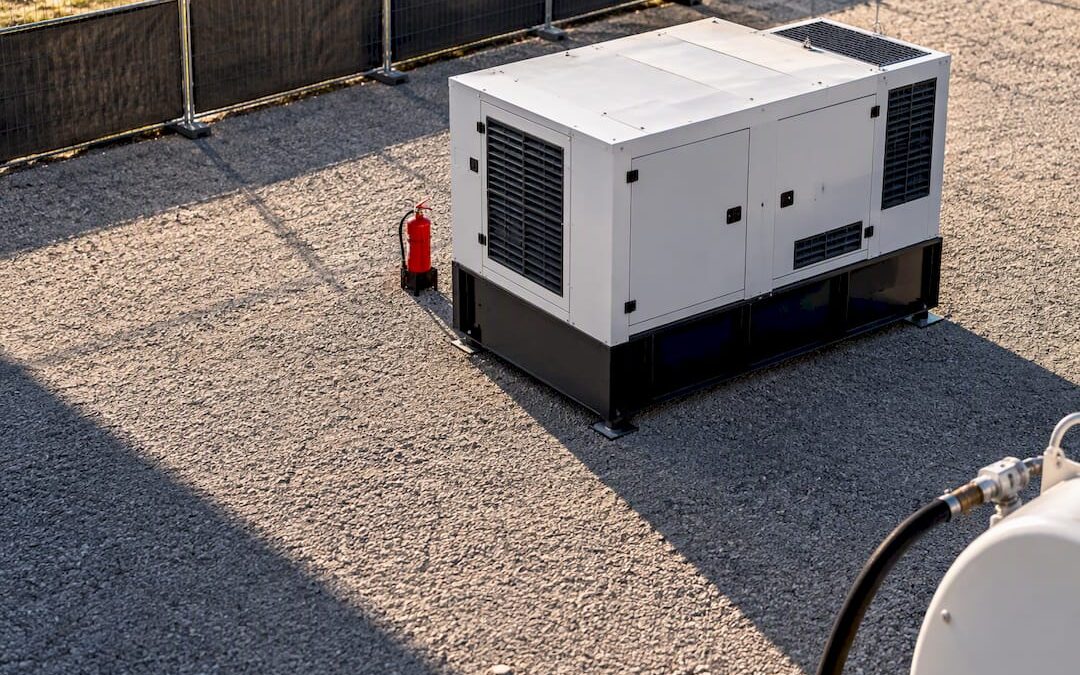
For Austin festivals, the first fuel-planning step is a code-compliant site plan showing every generator location, fuel storage point, and refueling window, filed early enough to meet Austin Center for Events and Austin Fire deadlines. Follow their standards and...

Recent Comments