by JustinD | Aug 31, 2026 | Compliance & Safety
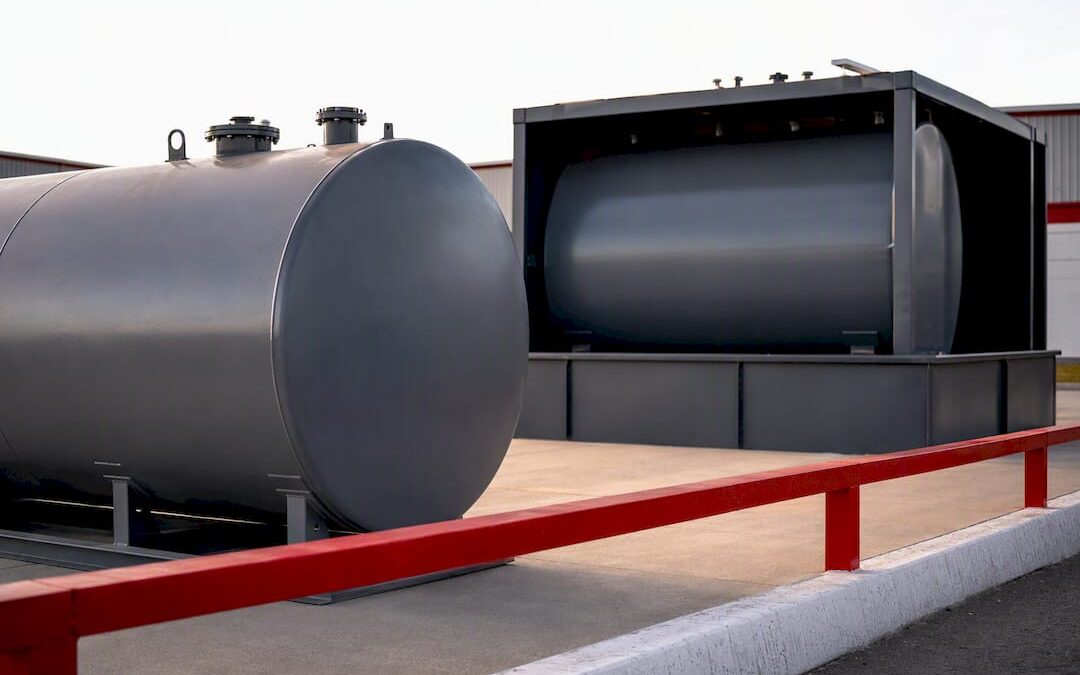
UL 142 is the baseline listing for shop-built steel aboveground tanks, while UL 2085 is the protected listing that adds fire resistance, impact protection, and built-in secondary containment. Choose UL 142 for lower-risk, well-spaced sites with generous setbacks;...

by JustinD | Aug 22, 2026 | Compliance & Safety
Yes, temporary fuel tanks are regulated in the United States, and three separate triggers usually decide how strict the rules get: local Authority Having Jurisdiction (AHJ) permitting under the International Fire Code, the EPA’s Spill Prevention, Control, and...
by JustinD | Aug 21, 2026 | Compliance & Safety
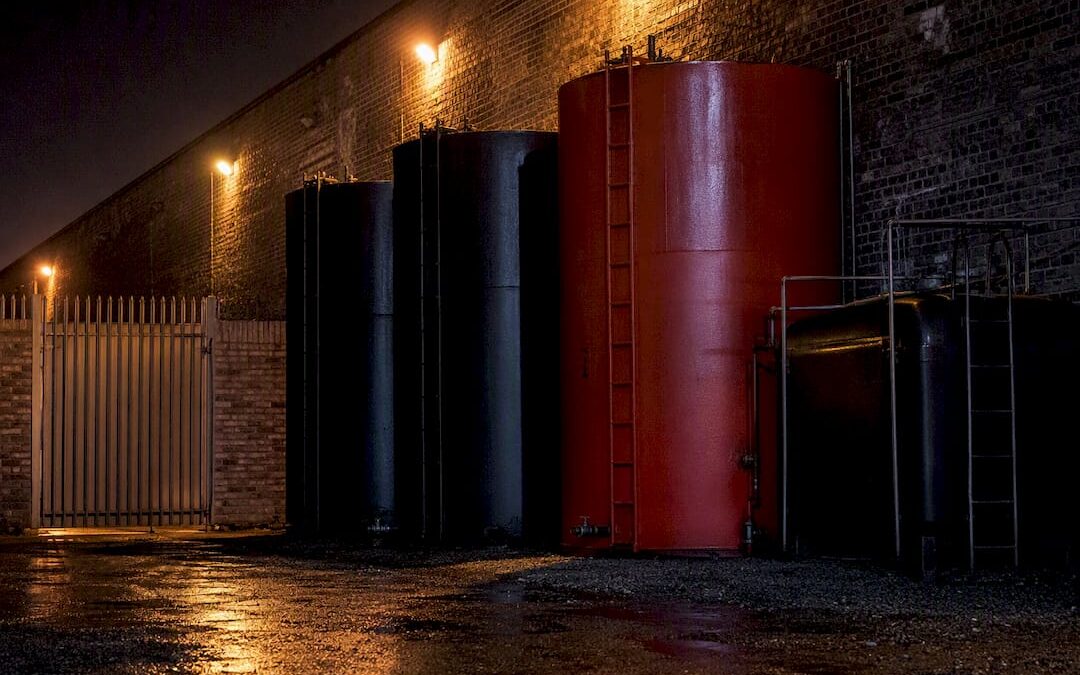
A layered defense of physical barriers, strict operational controls, and realtime monitoring is what stops most fleet fuel theft. No single lock, card policy, or sensor catches everything, but stacked together they close nearly every entry point a thief or a dishonest...
by JustinD | Aug 19, 2026 | Compliance & Safety
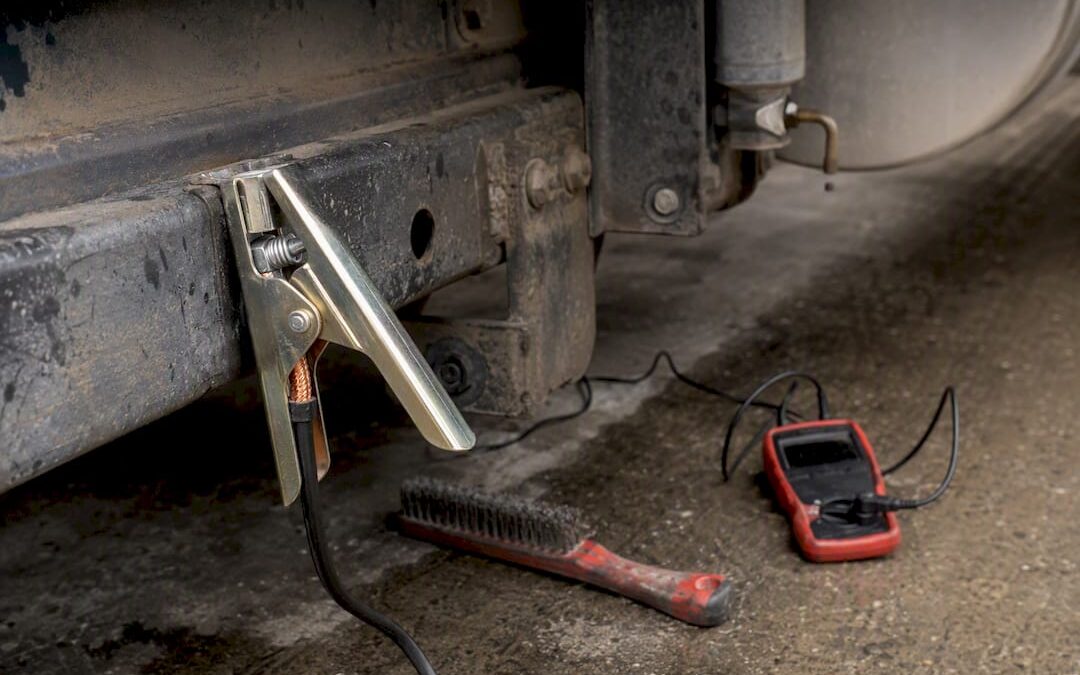
Bond the receiving tank or aircraft to the fuel source before any fuel flows, and keep that bond in place until the hose or nozzle is fully detached. That single rule prevents the vast majority of static ignition incidents during fuel transfer, and it applies whether...
by JustinD | Aug 17, 2026 | Compliance & Safety
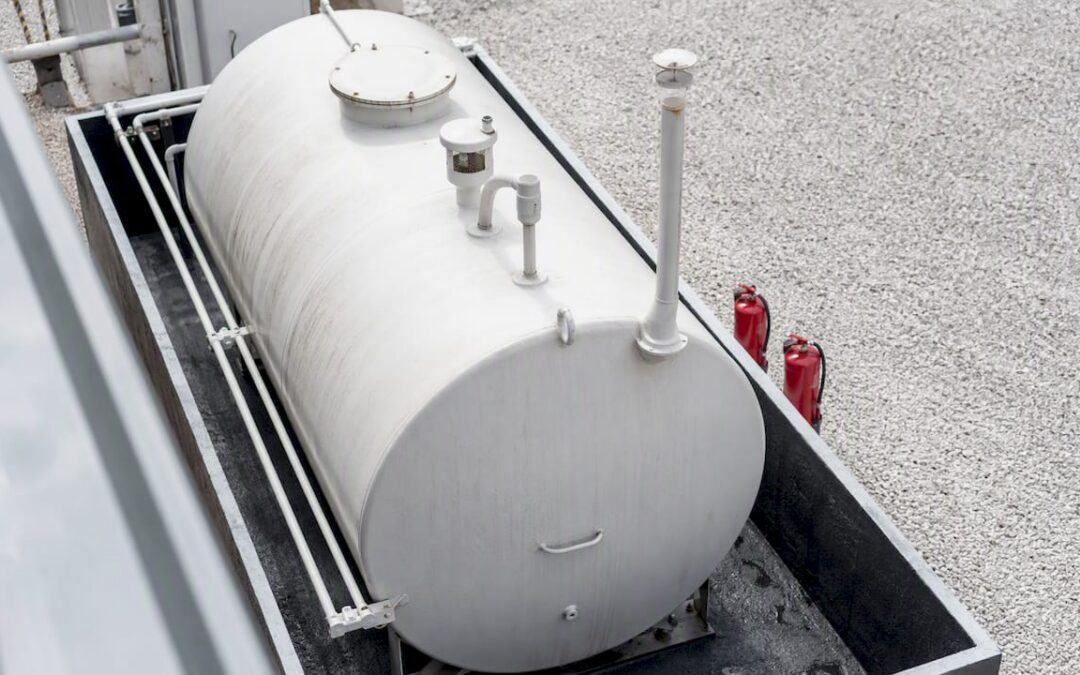
Diesel fuel is classified as a combustible liquid under NFPA 30, specifically Class IIIB, and that single classification determines nearly every storage, tank, and fire-protection requirement your facility faces. NFPA 30, the Flammable and Combustible Liquids Code,...
by JustinD | Jul 23, 2026 | Compliance & Safety
Safe, compliant fuel delivery at any site depends on a coordinated set of procedures that cover every phase of the operation, from the moment a tanker enters your gate to the final post-delivery inspection. The core fuel delivery safety protocols sites must enforce...

Recent Comments