by JustinD | Aug 29, 2026 | Emergency & Backup Power
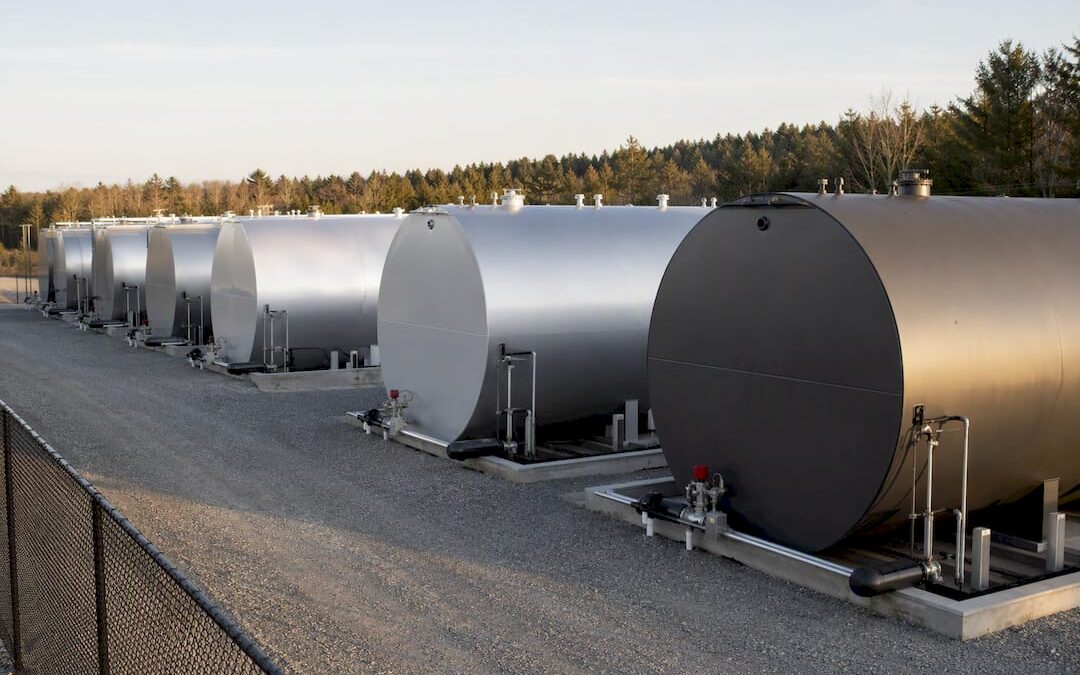
A hurricane fuel delivery plan works only if it names inventory thresholds, locks in supplier commitments before storm season, and spells out exactly who activates the response. This week, top off critical tanks, confirm your supplier’s emergency contact and...
by JustinD | Aug 26, 2026 | Emergency & Backup Power
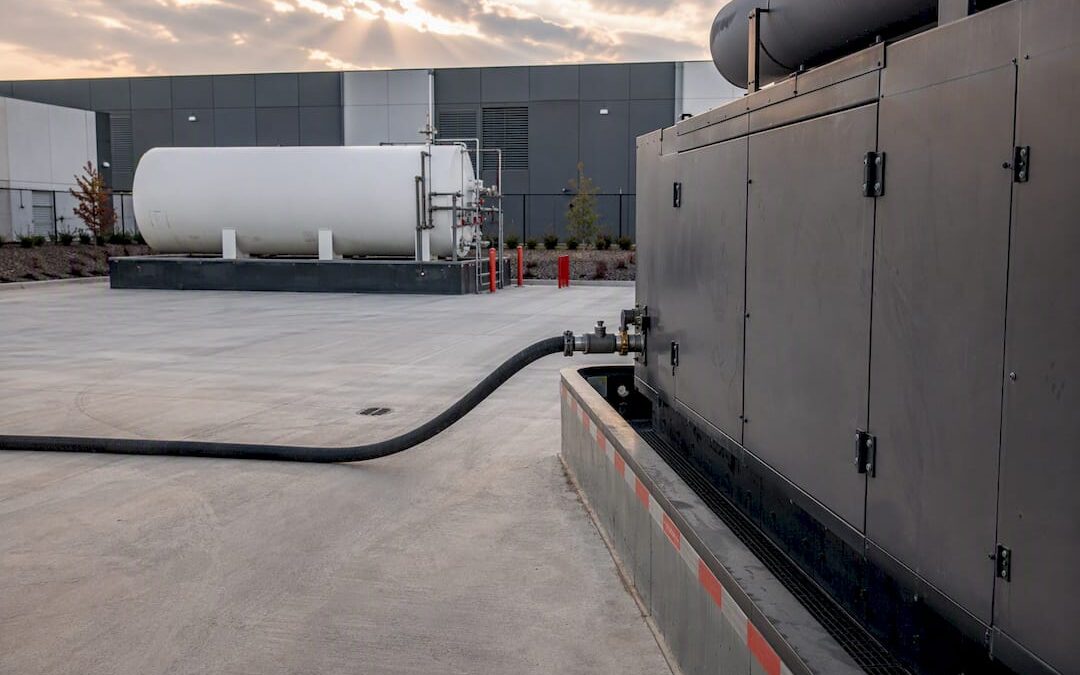
Use ASTM D975 diesel with scheduled top-offs for monthly generator exercises and a contracted emergency delivery partner for load-bank tests and outages. That combination is what satisfies NFPA 110’s testing and documentation requirements without leaving your site...
by JustinD | Aug 20, 2026 | Emergency & Backup Power
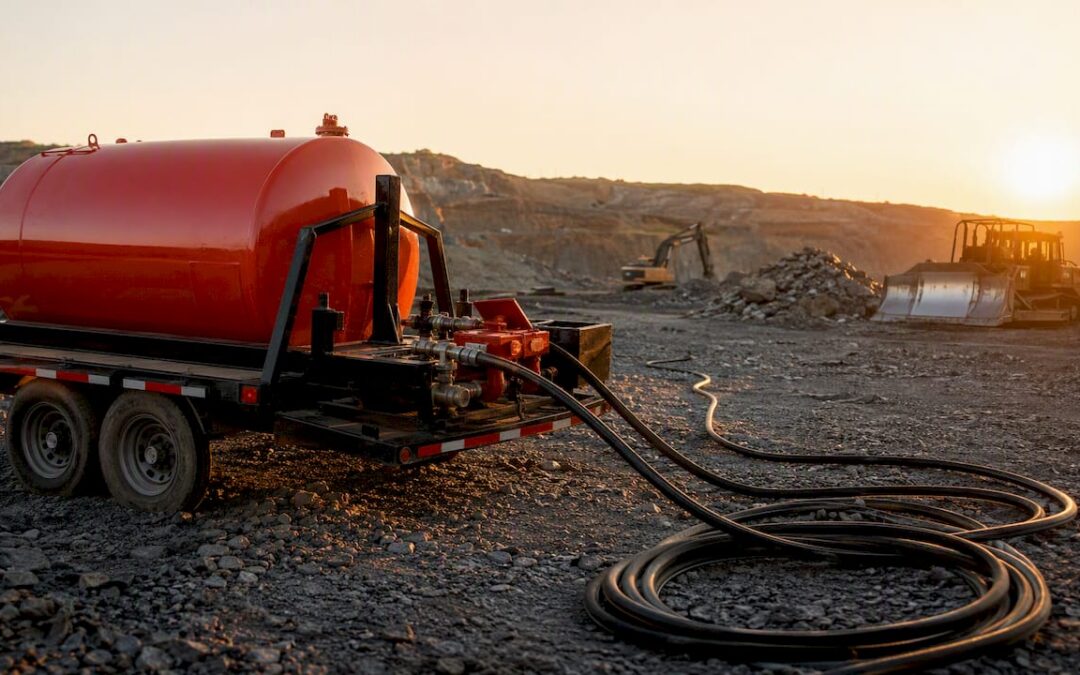
Secure a pre-negotiated emergency fuel contract that locks in IDIQ-style base and option years, verified activation triggers, guaranteed response SLAs, and logistics services beyond delivery. Waiting until a hurricane or grid failure hits to shop for fuel means paying...
by JustinD | Aug 16, 2026 | Emergency & Backup Power
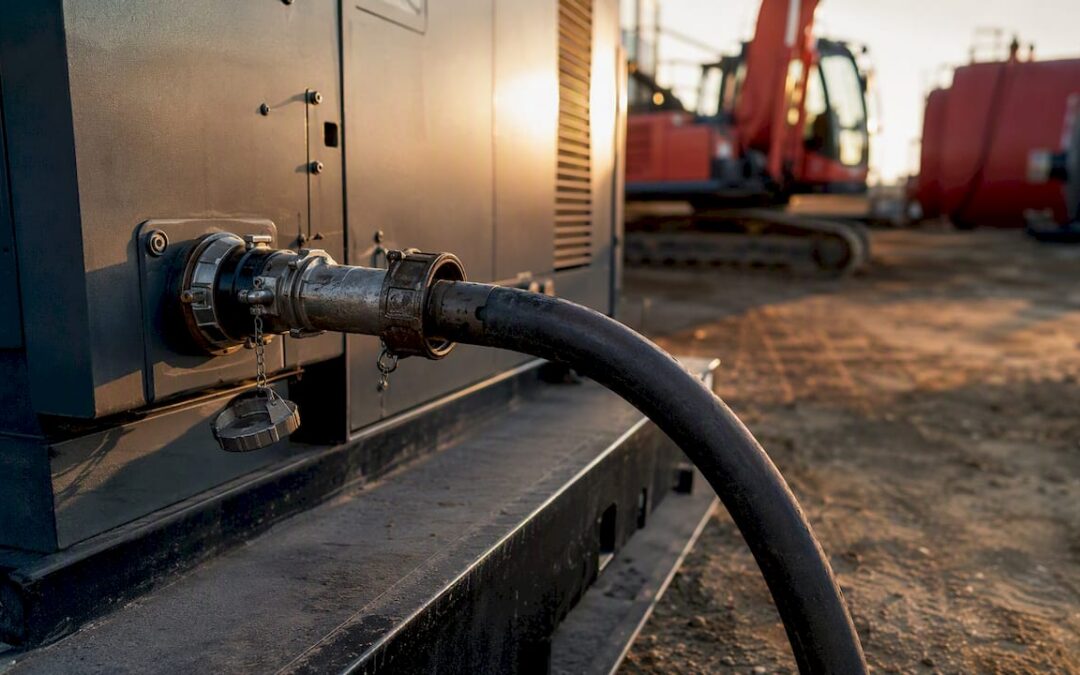
A 100 kW diesel generator burns roughly 7 gallons per hour at full load — that single figure, drawn from the industry-standard 0.07 gal/kWh rule of thumb, is the fastest way to anchor any fuel plan. Scale it up: a 500 kW unit needs about 35 gal/hr at full load, and a...
by JustinD | Aug 12, 2026 | Emergency & Backup Power
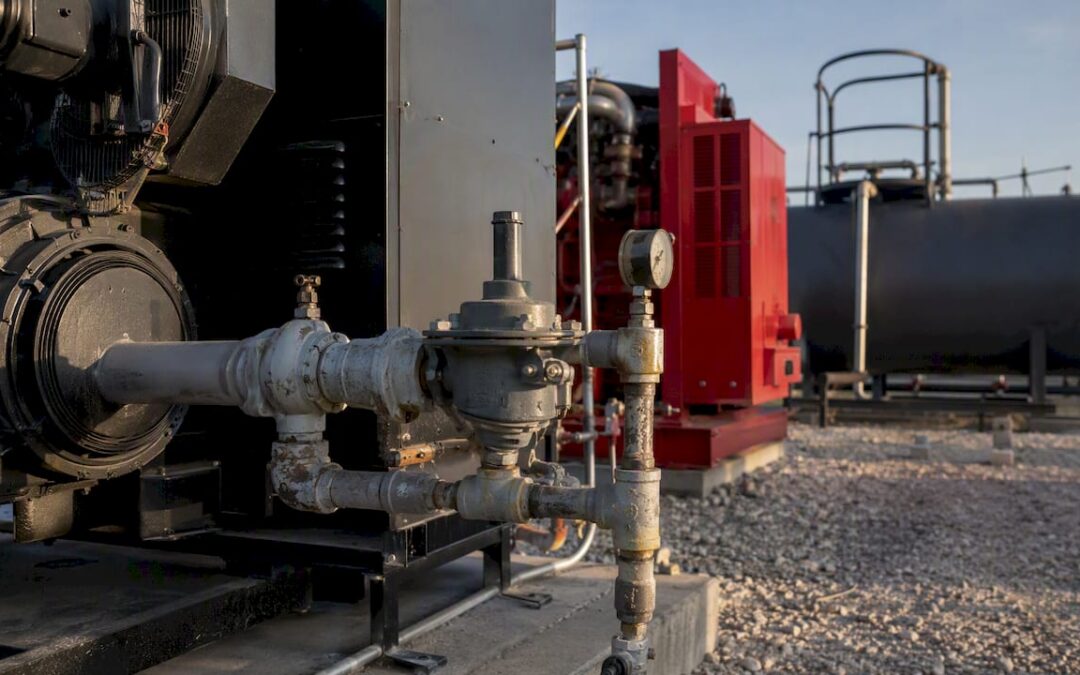
For most standby and emergency applications, diesel remains the default choice. For continuous baseload or demand-response operations where a reliable pipeline exists, natural gas often delivers lower long-term costs and simpler permitting. The right answer depends on...
by JustinD | Aug 10, 2026 | Emergency & Backup Power
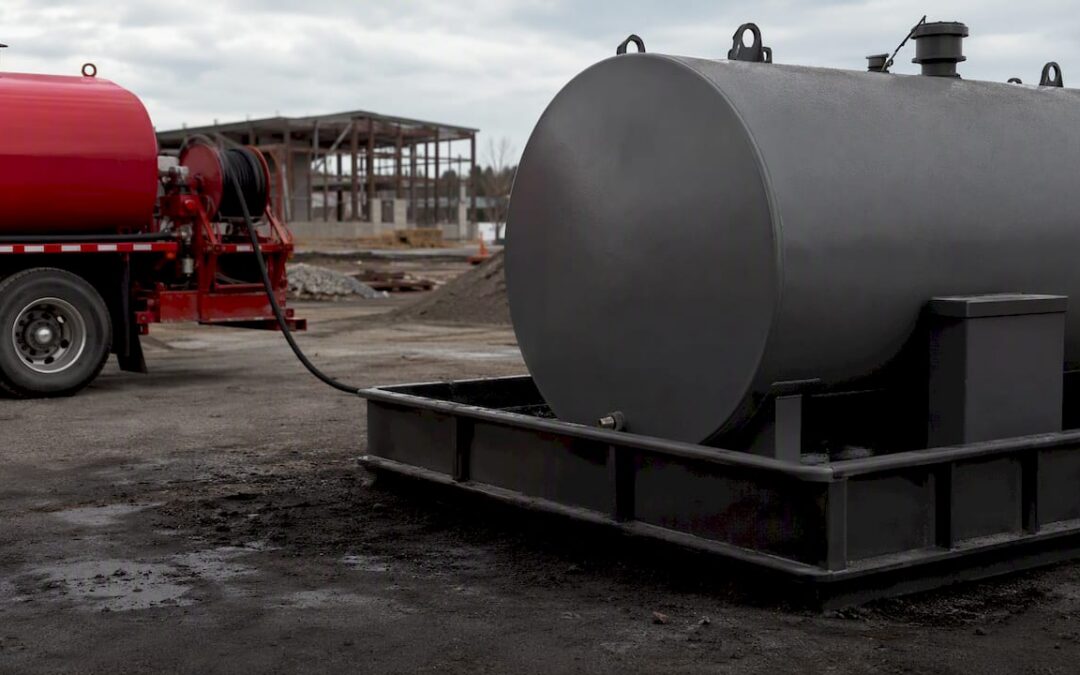
A reliable emergency fuel plan guarantees continuous on-site fuel delivery or sufficient reserve to run defined critical loads for a reserve period appropriate to the criticality of the site, secured through pre-contracted vendor commitments, measurable activation...

Recent Comments